

Our Blog
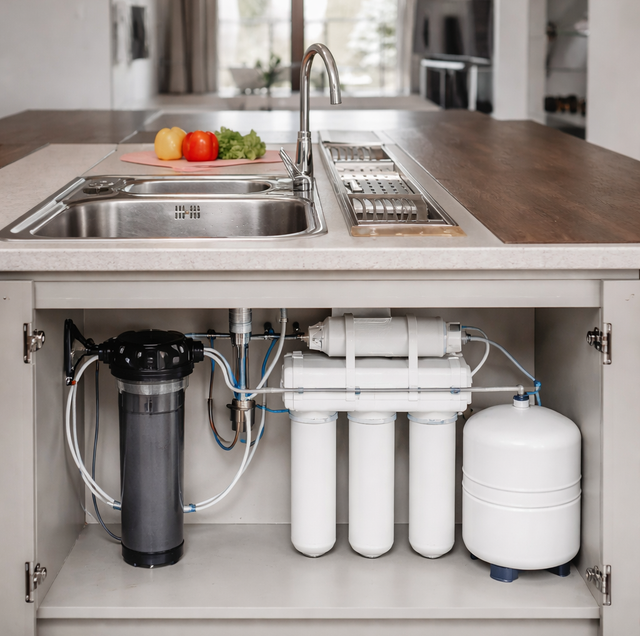
Reverse Osmosis vs. Whole-House Carbon Filter: Which One Wins?
Quick Answer:A whole-house carbon filter treats every drop entering the home and mainly cuts chlorine, taste, and odor, but it leaves dissolved minerals and salts in the water.
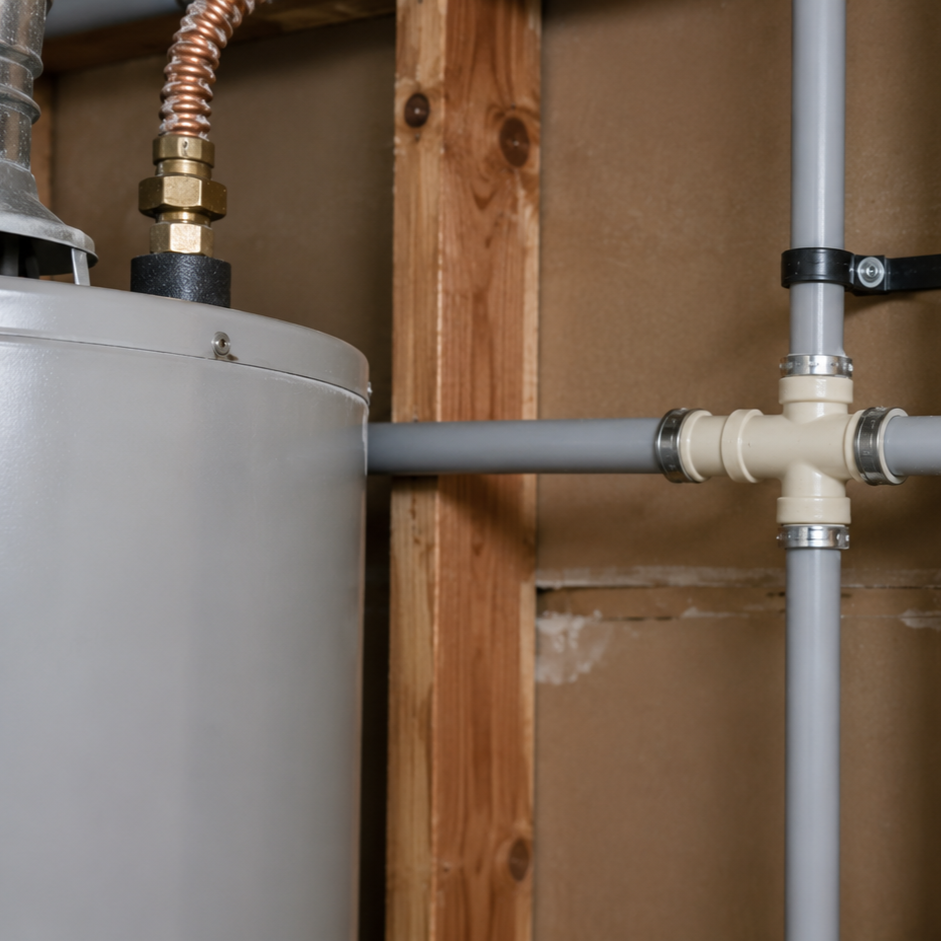
Do Older Homes Still Have Polybutylene Pipes and When Should They Be Replaced?
The gray plastic pipe behind the water heater looked fine. No drips, no staining, no soft spots in the drywall. The homeowner had lived with it for 18 years without a single problem. Then the fitting under the bathroom sink let go at 2 a.m. — water through the cabinet, across the tile floor, into the subfloor below.
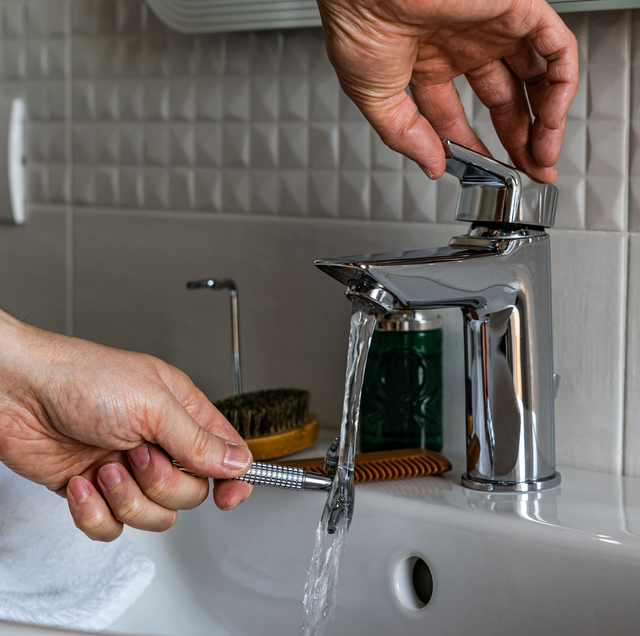
Low Water Pressure at One Faucet? Find the Cause Fast
Every other tap in the house runs fine, but one faucet dribbles out a weak, sputtering stream.
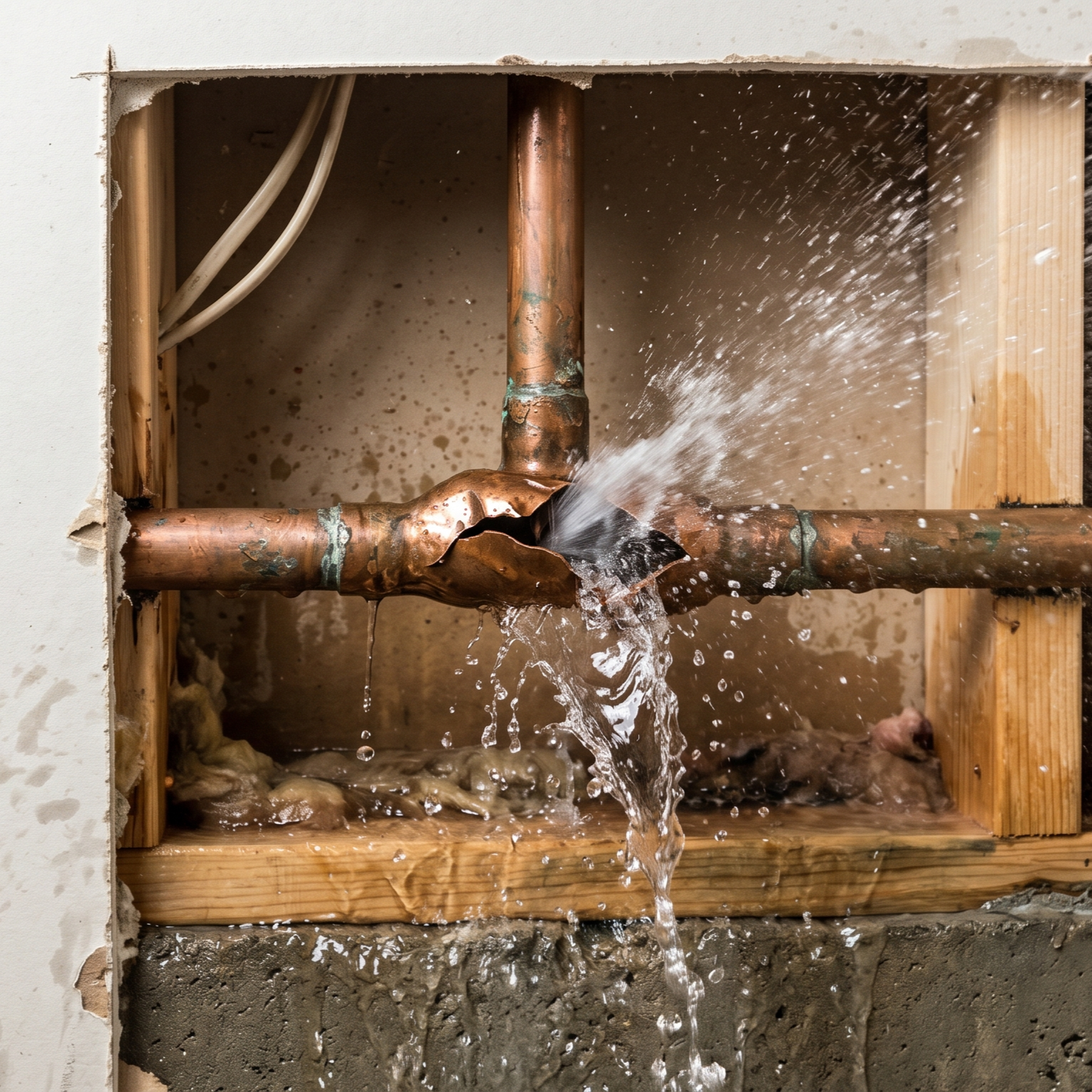
What Causes Indoor Pipes to Burst?
The first sign is usually a sound — a muffled pop behind drywall, or a sudden pressure drop that turns a shower to a trickle mid-rinse. By the time a pipe bursts indoors, the failure has typically been developing for months. Understanding what actually causes a pipe to give way helps a homeowner catch the warning signs before a slow problem turns into a flooded room and a $10,000 remediation bill.
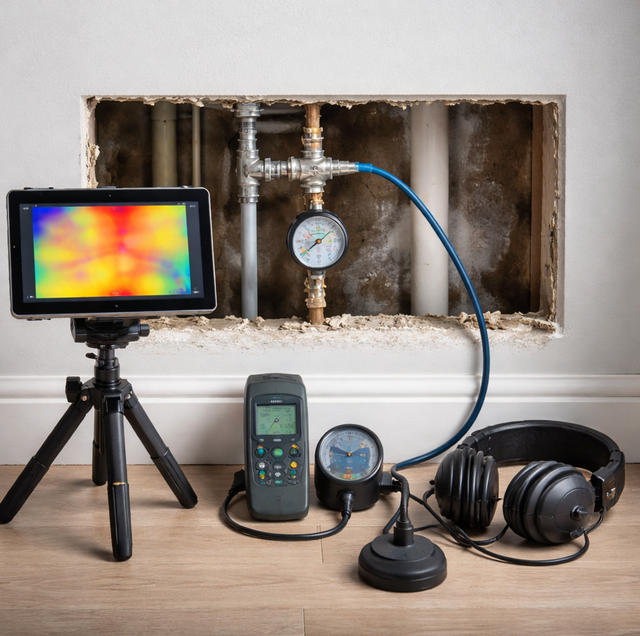
How Plumbers Find a Hidden Leak Without Tearing Up Walls
A damp spot on the ceiling, a water bill that climbed for no reason, the faint sound of running water when every faucet is off.
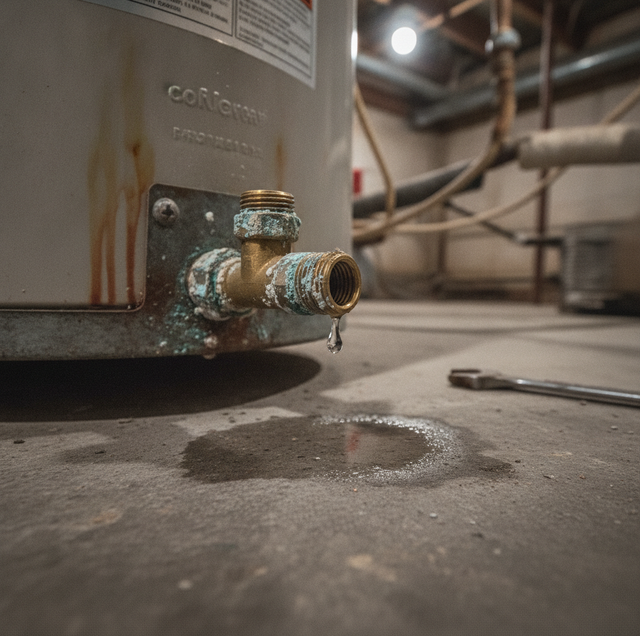
What Causes a Water Heater to Leak From the Bottom?
A puddle spreading under the water heater sends most people straight to worst-case thinking, and understandably so. The trouble is that a wet floor tells you almost nothing on its own. The same puddle can come from a fitting you can tighten by hand or from a tank wall that has quietly rusted through. Those two endings are worlds apart, yet the water looks identical either way. What separates them is not the size of the puddle but where the drip actually starts.
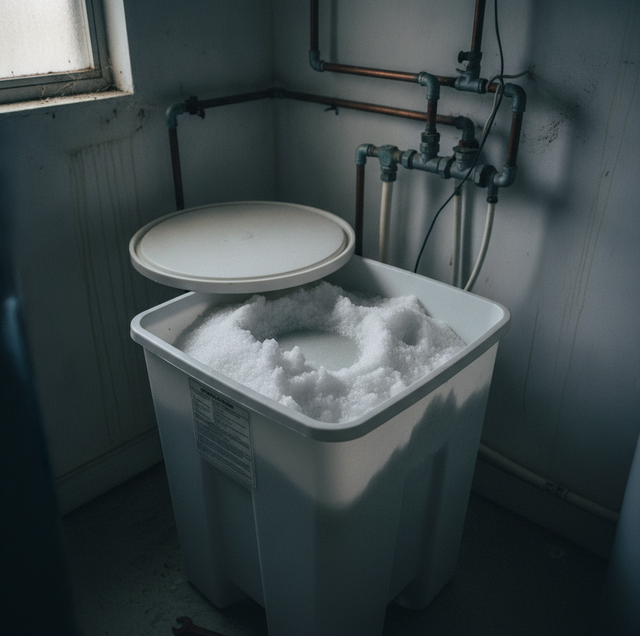
Signs Your Water Softener Stopped Working (Check This First)
You notice it in small ways before you notice it at all. The shower door spots up again. A towel that came out of the dryer soft last month now feels a little board-stiff. Soap that used to lather with one pump suddenly needs three, and even then, it rinses off, leaving a squeak instead of that slippery feel you got used to. None of it screams "broken." It just creeps back, and one morning you realize your water feels hard again.
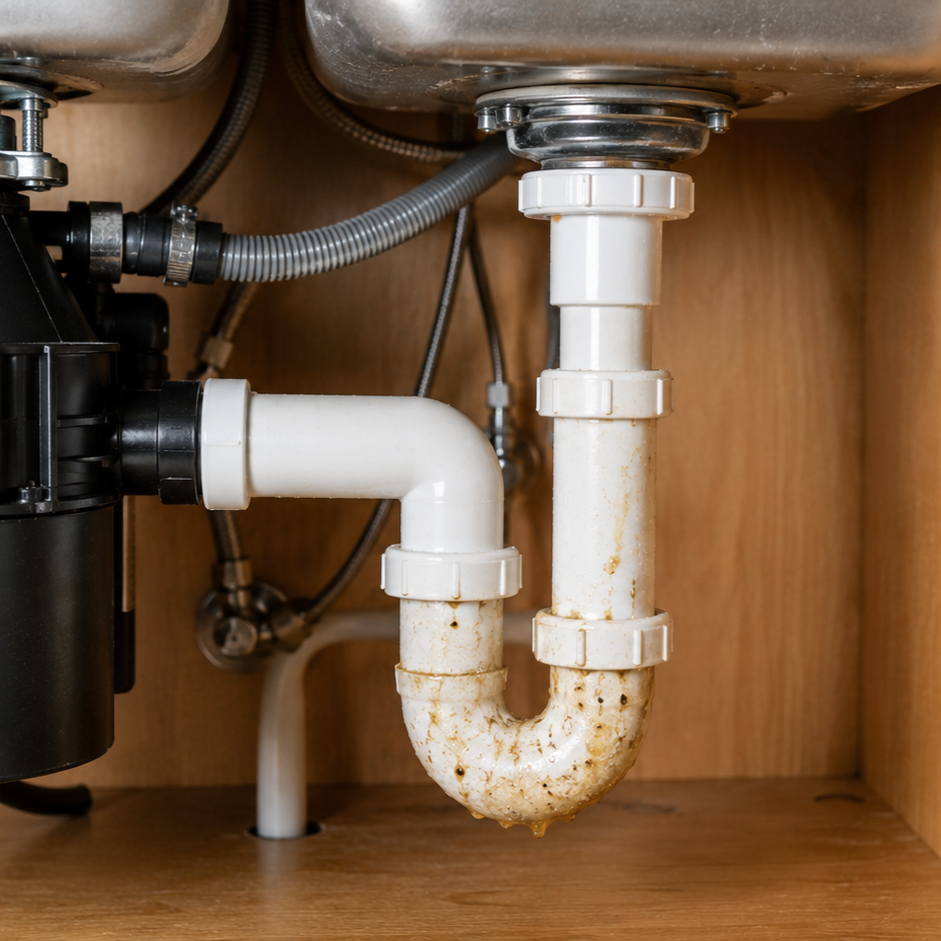
Why Does My Kitchen Sink Drain Slowly but My Bathroom Drains Fine?
The water sat in the basin for four minutes after the dishes were done. A slow spin toward the drain, then nothing for a while. Run the bathroom sink on the same side of the house — clear in seconds. Same house, same day, two completely different results.
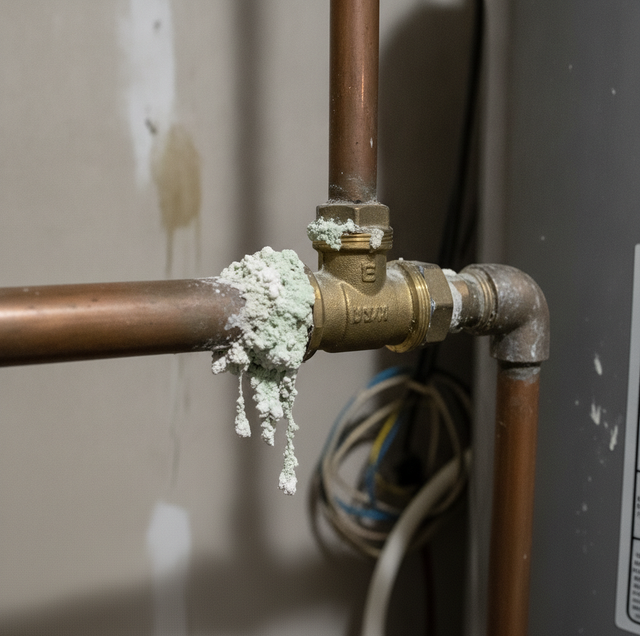
Salt-Based vs Salt-Free Softeners: What Hard Water Needs
A salt-based softener actually removes calcium and magnesium through ion exchange, so water feels slick, and scale stops forming. A "salt-free softener" removes nothing; it conditions the minerals so they stick less, cutting scale without the slick feel, salt, or wasted water. Very hard water and a preference for true softening point to salt-based; low maintenance and no added sodium point to salt-free.
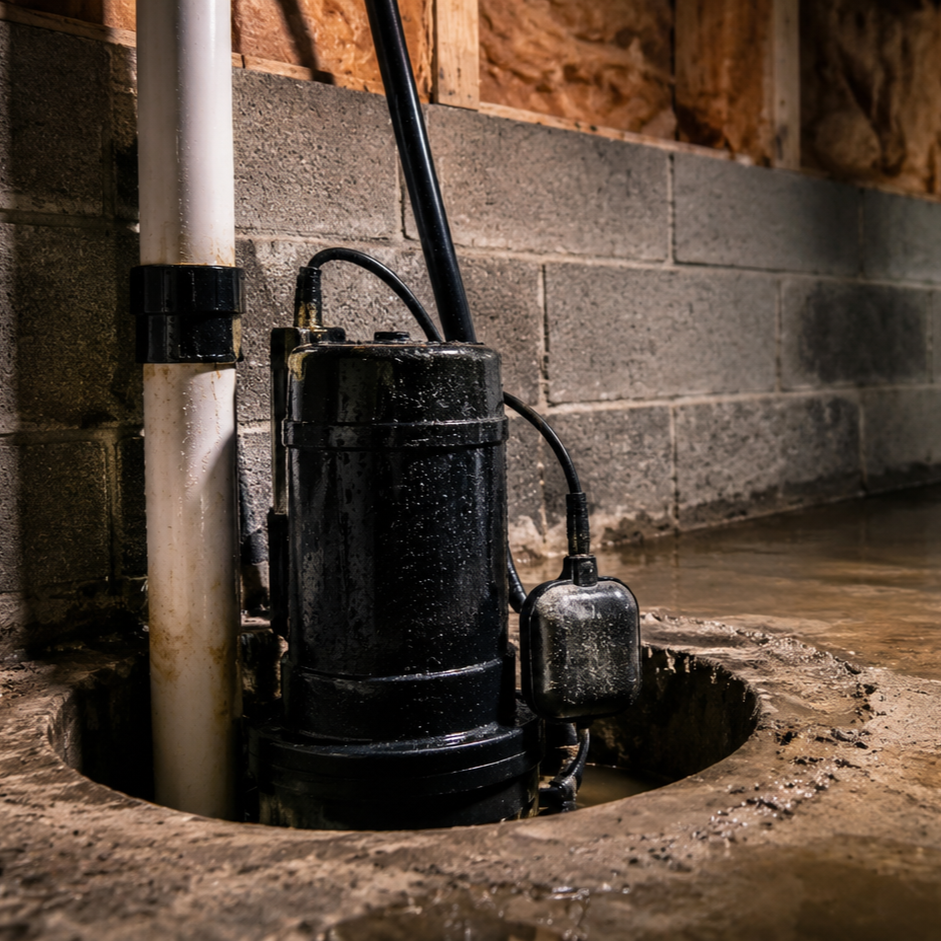
What Happens When a Sump Pump Fails During Heavy Rain?
The floor drain is already bubbling. The utility room is dark, the pump's not running, and outside, the sky is still dumping. By the time water reaches the doorway between the utility room and the hall, the damage clock has already started.
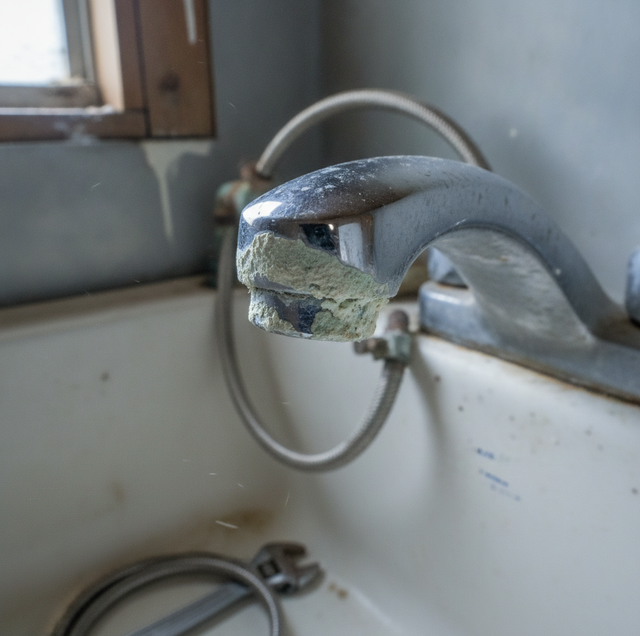
Why Tap Water Leaves White Spots (and How to Stop It)
[QUICKANSWER] Those white spots are dried hard-water minerals, mostly calcium and magnesium. When the water evaporates, it leaves the dissolved minerals behind as a chalky film. Wiping helps for a day, but the lasting fix is treating the water itself so the minerals never dry onto the surface in the first place.
Why Does My Shower Drain Gurgle When the Washing Machine Runs?
The washing machine finishes a spin cycle and the water roars down the drain. A few seconds later, the shower across the hall makes a hollow gurgling sound — like something is trying to breathe through the drain. Nothing comes up. No backup. Just that noise, every single time the machine runs.
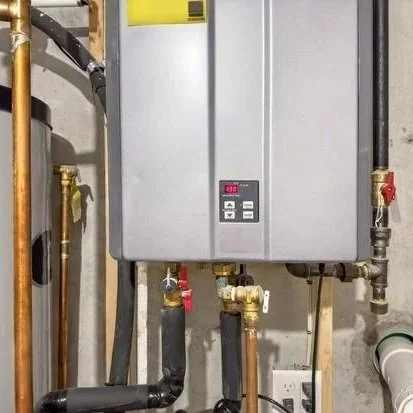
Why Your Brand-New Water Heater Is Already Full of Sediment
You replaced the water heater not long ago, and it's already rumbling; the hot water doesn't last as long as it did, and a flush brings out a slurry of grit. It feels like you got a bad unit. You almost certainly didn't — what you got is Phoenix water meeting a hot steel tank, and the result is sediment building up faster than most people expect. Here's the chemistry behind it and what actually slows it down.
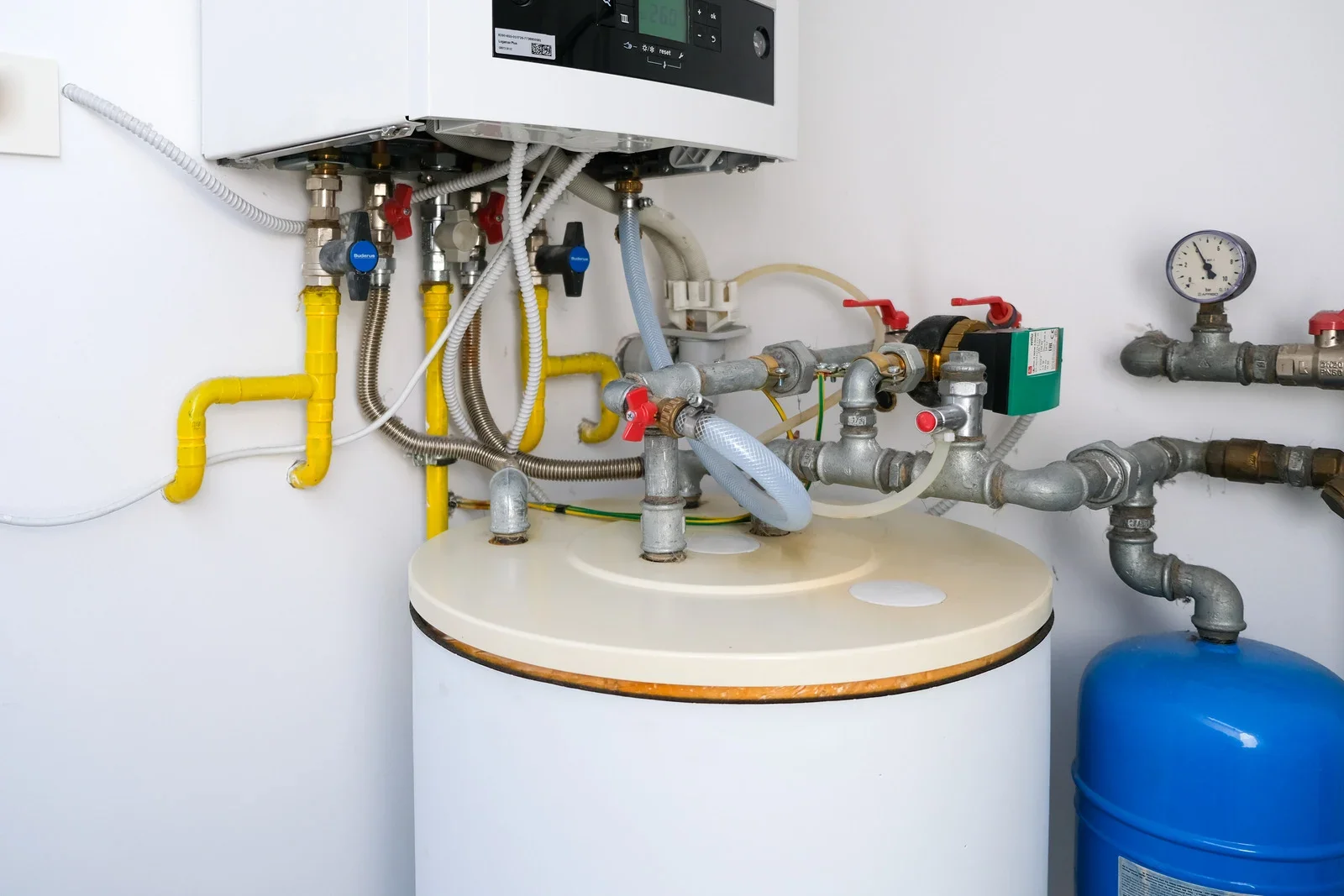
Hot Water Running Out Every Morning? What’s Behind It
If your hot water runs out fast specifically in the morning, the usual reasons are concentrated morning demand on a tank that can't keep up, sediment buildup shrinking the tank's capacity, a broken dip tube letting cold water mix in at the top, a failed heating element, or a thermostat set too low. Mornings expose the problem because everyone draws hot water in a short window — back-to-back showers, plus the dishwasher or laundry. If the tank has lost capacity or recovery speed to sediment or a worn part, the morning rush drains it before everyone's done. The fix depends on whether the tank is faulty or simply too small for the morning load.
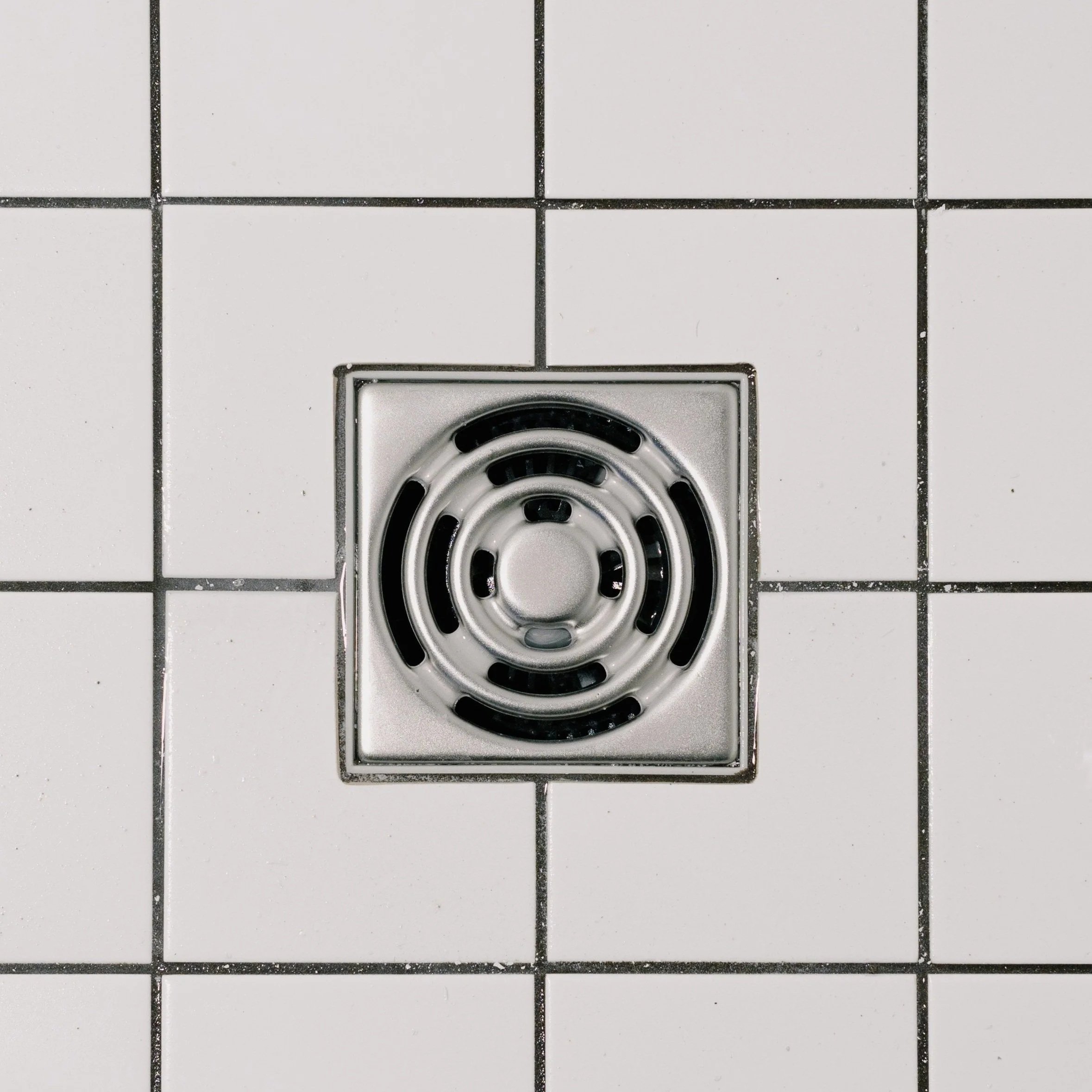
Why Does My Drain Smell Like Rotten Eggs?
The guest bathroom smelled fine six weeks ago. Now the moment the door opens, there it is — rotten eggs, faint but unmistakable, drifting up from the direction of the shower drain. Nothing is dripping. The toilet flushes normally. But the smell won't leave.
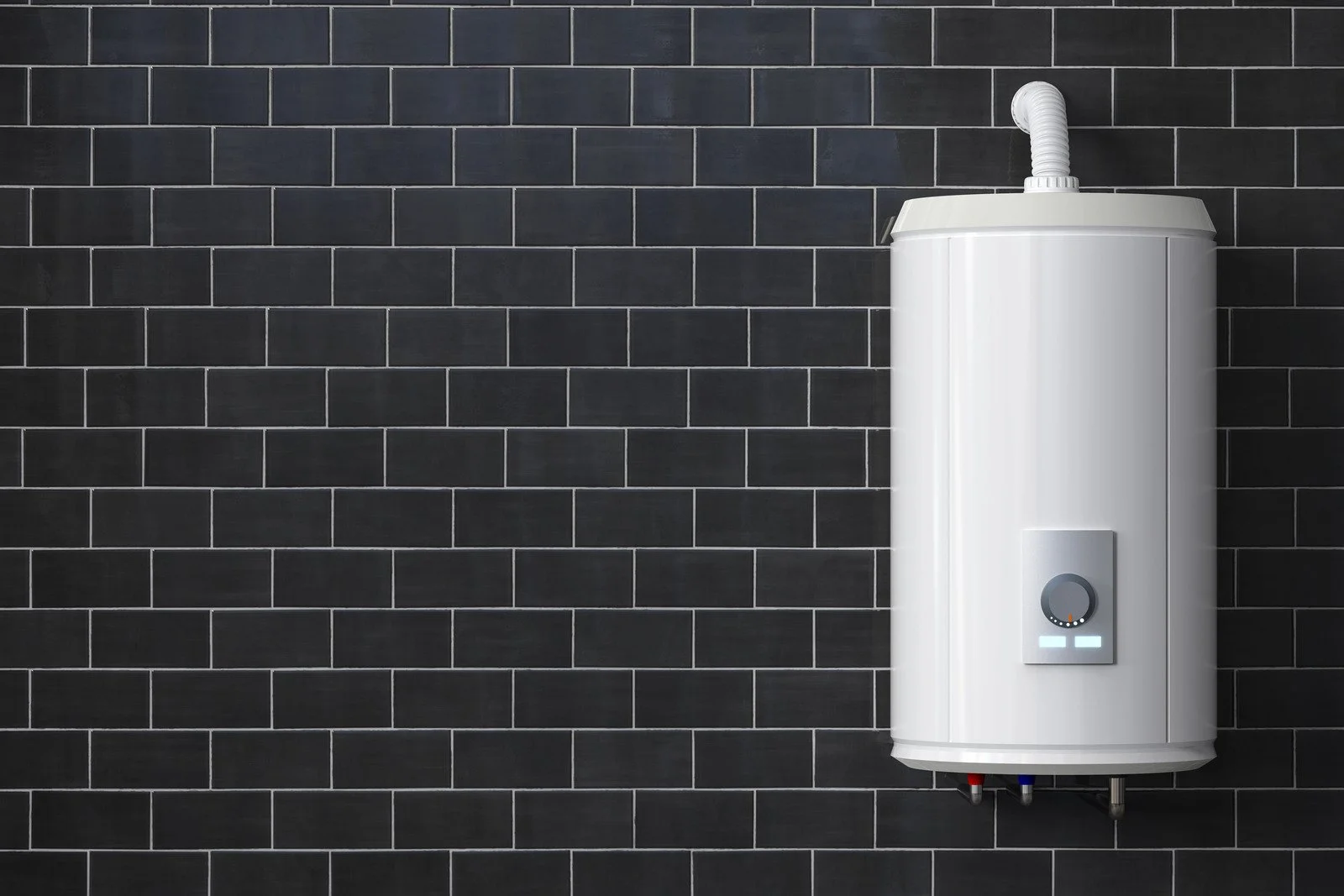
Tank vs. Tankless in a Hard-Water Home: Which Lasts Longer?
In a hard-water home, a tankless water heater generally has a longer potential lifespan than a tank — often 20 years or more versus about 8 to 12 — but only if it's descaled regularly and ideally paired with a water softener. Hard water builds scale inside a tankless unit's narrow heat exchanger, where neglect quickly erodes its advantage, while in a tank the minerals settle as sediment that flushing removes. So the honest answer to "which lasts longer" is: tankless, if you maintain it; a well-flushed tank can still outlast a neglected tankless. Maintenance commitment and water treatment, more than the heater type alone, decide real-world longevity in hard water.
Why Is My Water Bill Suddenly High With No Visible Leak?
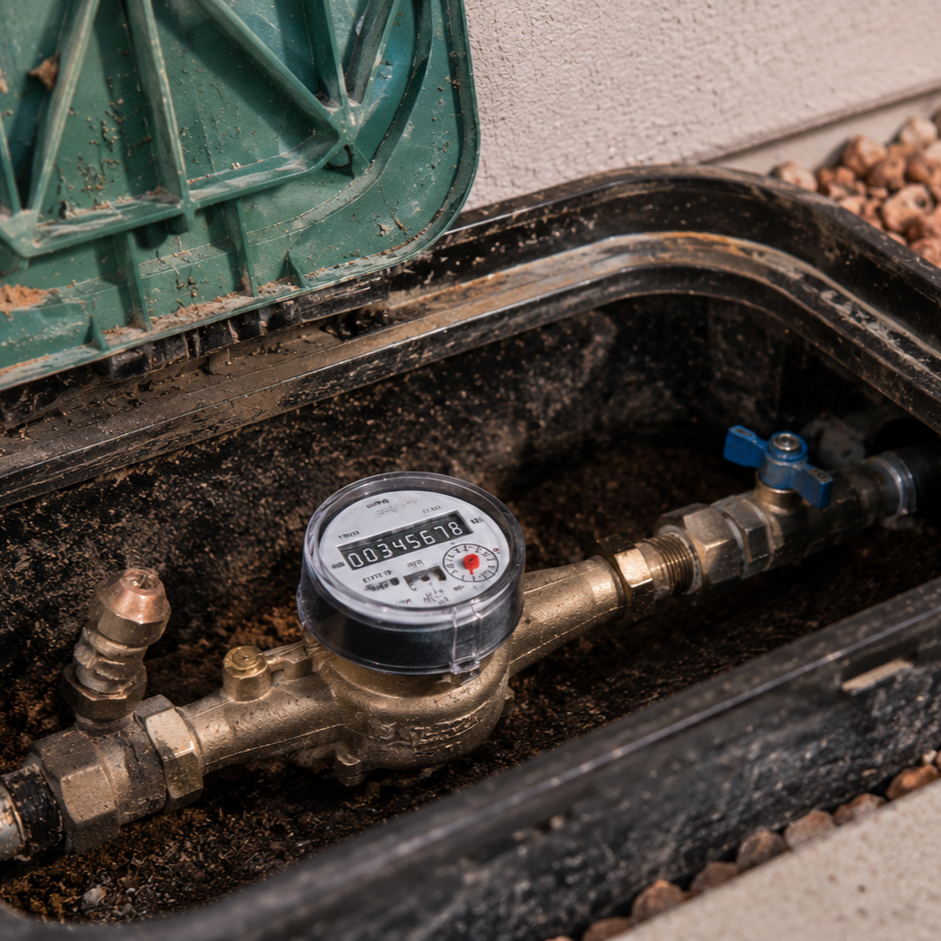
The bill arrived, and the number was wrong. Not off by a few dollars — doubled. Nothing looks different in the house. No dripping faucet, no wet carpet, no stain on the ceiling. The toilets flush normally. The water pressure feels the same. Yet somewhere between last month and this one, hundreds of extra gallons disappeared.
How Often Should You Descale a Tankless Heater in Hard Water?
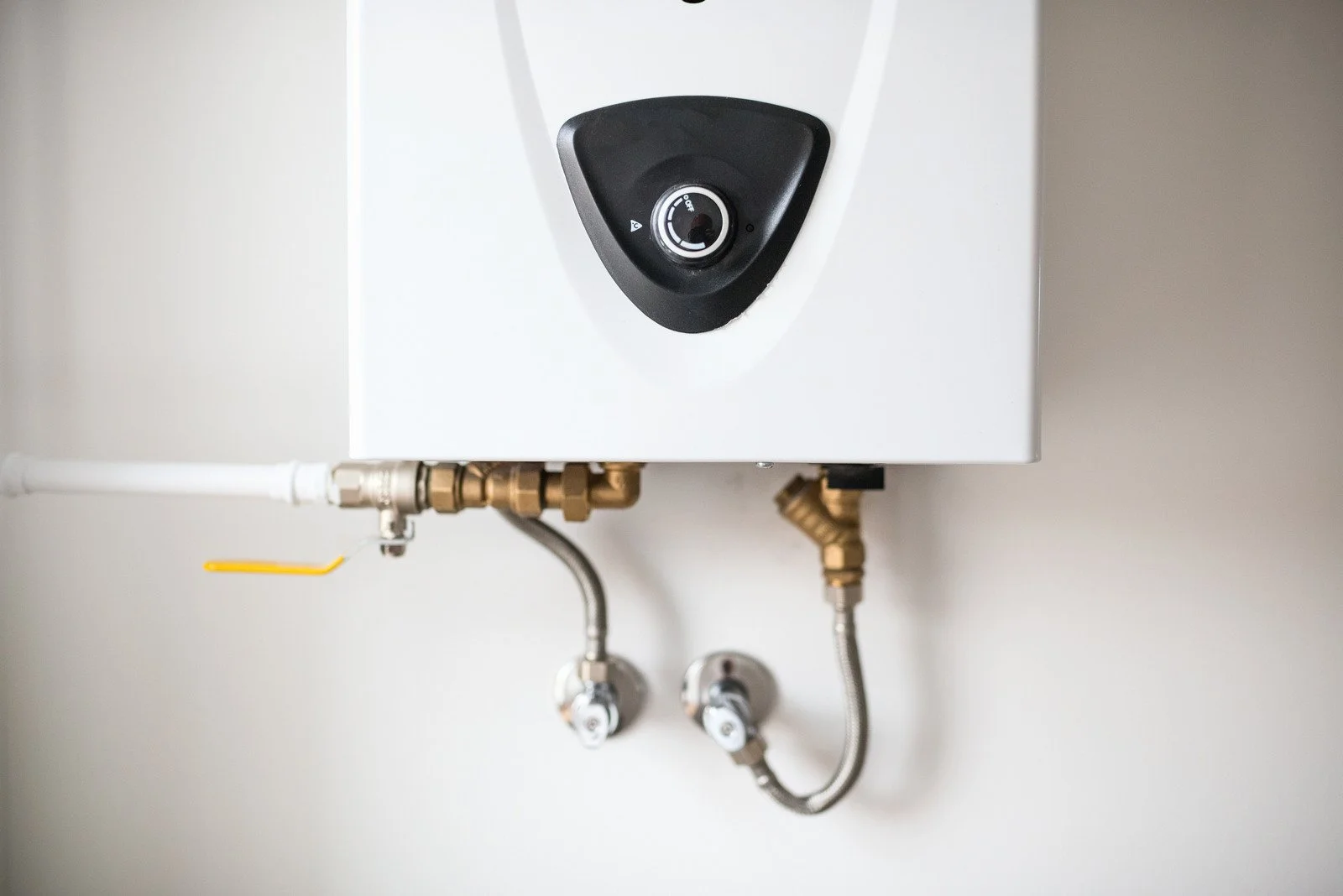
In a hard-water area, a tankless water heater generally needs descaling more often than the once-a-year guideline for average water — sometimes every six months or so, depending on how hard the water is and how much hot water you use. The harder the water and the heavier the use, the faster scale builds inside the heat exchanger, and the more frequent the descaling. A water softener dramatically reduces how often it's needed by removing the minerals before they reach the unit. Skipping descaling lets scale restrict flow, cut efficiency, and shorten the heater's life, so staying on schedule is key to getting the long lifespan a tankless unit promises.
Anode Rod or New Water Heater? How to Decide
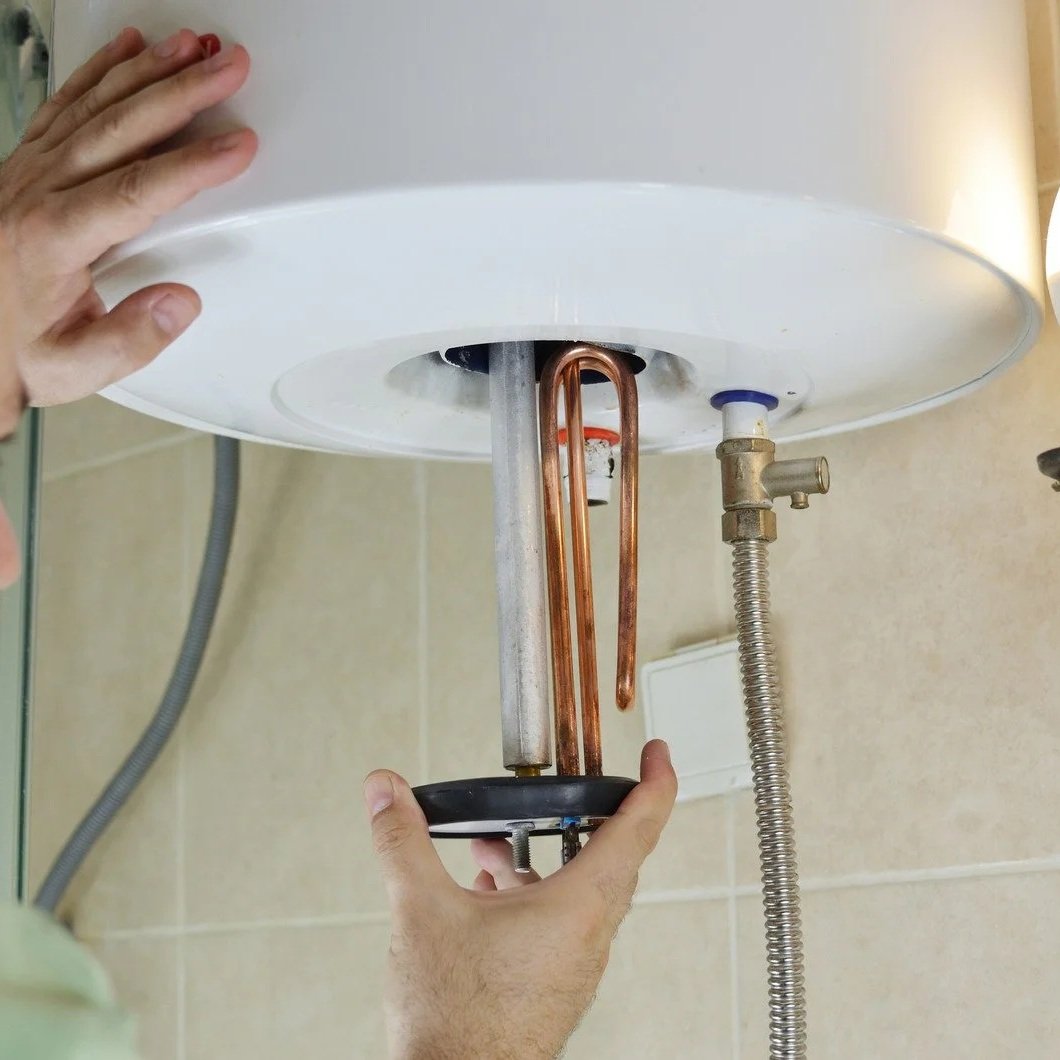
Quick Answer:Replacing the anode rod makes sense when the tank itself is still sound and you're maintaining it — the rod is the sacrificial part that protects the steel from rust, and renewing it before it's used up can extend a healthy tank's life. Full replacement makes sense when the tank is already failing: rusty water, a leaking tank, heavy hardened sediment, or simply old age beyond its expected lifespan. The deciding question is the condition of the tank, not just the rod. A worn-out rod on an otherwise good tank is a cheap fix worth doing; a fresh rod won't save a tank that's already rusting through or leaking.
Why Is My Tap Water Scalding Hot in Summer?
The cold tap runs, and what comes out is nearly too hot to hold a hand under. In winter, that would mean a plumbing problem. In the middle of a desert summer, it's just Tuesday — until someone gets burned.