
Hot Water Running Out Every Morning? What’s Behind It
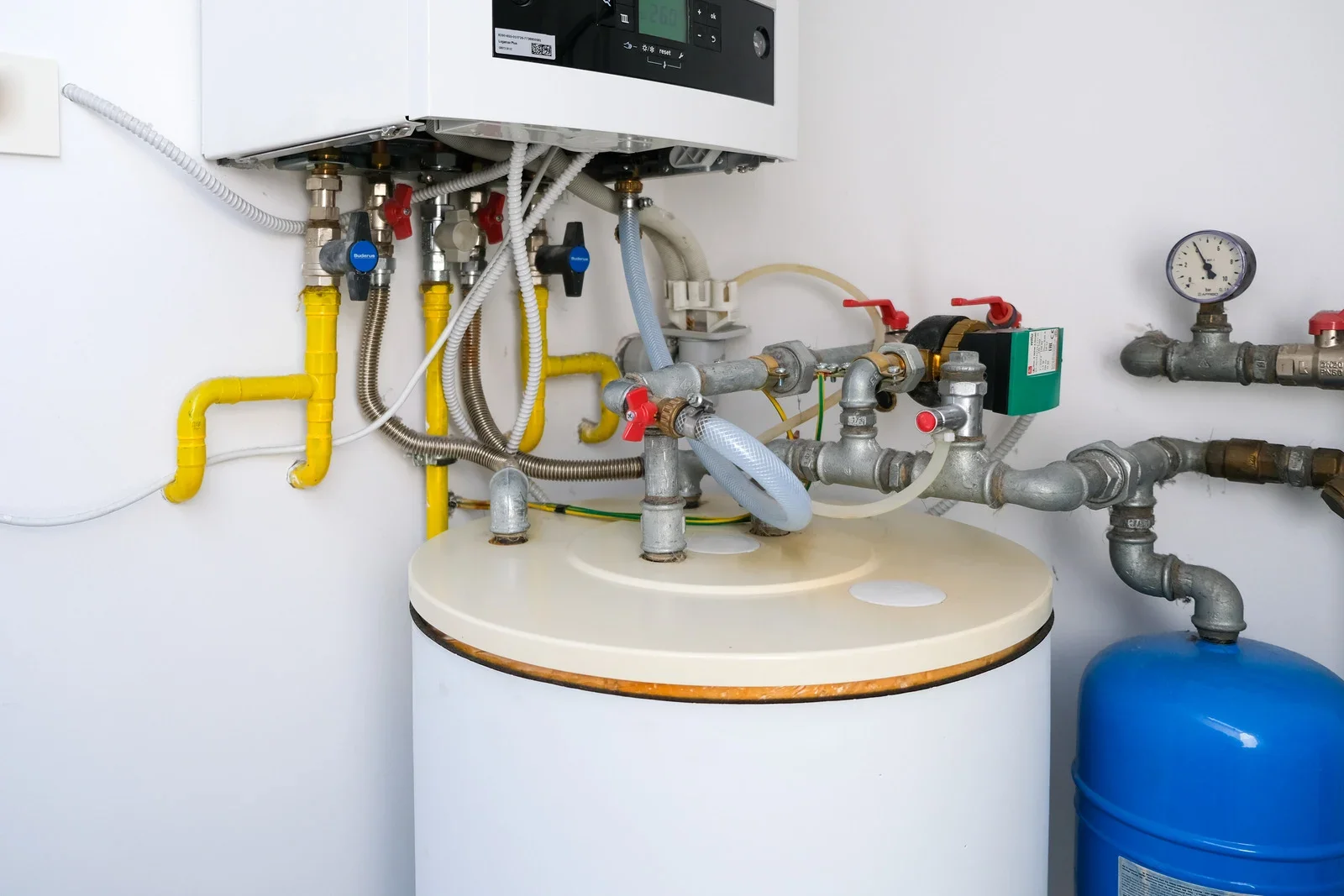
If your hot water runs out fast specifically in the morning, the usual reasons are concentrated morning demand on a tank that can't keep up, sediment buildup shrinking the tank's capacity, a broken dip tube letting cold water mix in at the top, a failed heating element, or a thermostat set too low. Mornings expose the problem because everyone draws hot water in a short window — back-to-back showers, plus the dishwasher or laundry. If the tank has lost capacity or recovery speed to sediment or a worn part, the morning rush drains it before everyone's done. The fix depends on whether the tank is faulty or simply too small for the morning load.
There's a specific morning misery to being the last one into the shower and getting hit with cold water. When hot water runs out fast in the morning in particular, the timing itself is a clue: mornings concentrate your household's hot-water demand into a short window, and that's exactly when a tank that has lost capacity or recovery speed shows its weakness. Here's what's usually behind it.
Why Mornings Are the Hard Test
A tank water heater holds a fixed amount of hot water and reheats more as you draw it down. Through the day, hot-water use is usually spread out, giving the tank time to recover between uses. Mornings are different. Showers stack up back-to-back, often alongside the dishwasher or a load of laundry, all in maybe an hour. That concentrated demand draws the tank down fast, and if the tank can't hold enough or can't reheat quickly enough, it empties before everyone's needs are met. So a morning-specific shortage often means the tank is right at the edge of what it can deliver, and the morning rush pushes it over.
Cause One: Sediment Has Reduced Capacity
A leading reason a tank can't keep up is sediment. In hard-water areas, especially, minerals settle to the bottom of the tank and harden into a layer that takes up space once used for hot water, so the tank effectively holds less. On a gas heater, that sediment also insulates the burner from the water, slowing how fast the tank reheats. Less capacity plus slower recovery is a bad combination for the morning rush: there's less hot water to start, and it comes back too slowly to help the next shower. A rumbling or popping tank is a strong sign that sediment is the culprit.
Cause Two: A Broken Dip Tube
The dip tube carries incoming cold water to the bottom of the tank to be heated before it rises. If that tube cracks or breaks near the top, cold water dumps into the upper part of the tank and mixes with the hot water waiting to be drawn off. The hot water turns lukewarm quickly, even though the heater is working. A broken dip tube is a classic cause of a sudden drop in how much usable hot water you get — and it shows up most painfully during the morning's heavy demand.
Cause Three: A Failed Heating Element
On an electric water heater, two elements share the work, with the lower one doing most of the heating. If the lower element fails, only the upper element works, heating just the top of the tank — so you get a short burst of hot water that runs cold fast. That short supply is brutal in the morning. On a gas heater, a dirty or struggling burner that can't reheat quickly enough produces a similar morning shortfall.
| Symptom | Likely cause |
|---|---|
| Tank rumbles, slow to reheat | Sediment buildup |
| Sudden drop in hot water amount | Broken dip tube |
| Short burst then cold (electric) | Failed lower element |
| Never very hot to begin with | Thermostat set too low |
| Only short during the morning rush | Demand exceeding capacity/recovery |
Cause Four: Thermostat or Simple Capacity
Sometimes nothing is broken. A thermostat set too low means the water isn't very hot to begin with, so it feels like it runs out sooner. And a tank that's simply too small for the household's morning demand will empty during the rush, no matter how well it's working — the hot water didn't fail, there just isn't enough of it for that many uses at once. If the tank has always struggled in the morning, sizing or demand is the likely issue; if it used to be fine and now runs short, suspect sediment or a worn part.
Why the Timing Helps You Diagnose
The morning pattern is useful information. If the very first shower of the day runs short, the cause is more likely inside the tank — sediment, a dip tube, or an element — because the tank had all night to recover and still couldn't deliver. If hot water is fine for the first user but runs out only during the back-to-back rush, the issue leans toward recovery speed or simple capacity for the concentrated demand. Either way, a tank that can't handle the morning is telling you something has changed or that it's undersized for how your household actually uses hot water.
Try spacing out the morning's hot-water use as a quick test — stagger showers and hold the laundry and dishwasher until later. If that solves it, the issue is concentrated demand exceeding the tank's recovery. If hot water still runs short even spaced out, the tank itself likely has a fault like sediment or a failed element.
Getting Your Mornings Back
Because the cause determines the fix, it's worth diagnosing rather than guessing. Flushing helps a sediment-clogged tank but does nothing for a broken dip tube; a new element fixes an electric heater but not an undersized one; and a tank that's genuinely too small for the morning load calls for more capacity, whether a larger tank or a tankless unit sized for peak demand. A plumber can check the elements, dip tube, sediment level, and your household's morning usage, then tell you whether a repair, a flush, or a resized heater will restore full morning showers. Catching sediment early also protects the tank from the overheating and stress that lead to early failure.
Frequently Asked Questions
Because mornings concentrate your household's hot-water demand into a short window — back-to-back showers plus appliances — which drains the tank fast. If the tank has lost capacity or recovery speed to sediment or a worn part, or is simply too small, it empties during that rush even though it might cope with spread-out use the rest of the day.
Yes, it's a common cause, especially in hard-water areas. Sediment settles in the tank, taking up space that held hot water and insulating the burner so the tank reheats more slowly. Less capacity and slower recovery hit hardest during the morning rush. A rumbling or popping tank is a strong sign that sediment is the problem, and a flush may help if it hasn't hardened.
The dip tube delivers incoming cold water to the bottom of the tank to be heated before rising. If it breaks near the top, cold water mixes with the hot water at the top instead, so the hot water turns lukewarm quickly. This causes a sudden drop in usable hot water that's especially noticeable during heavy morning demand.
It might be, particularly if it has always run short in the morning rather than declining over time. If the household grew or added fixtures that use a lot of hot water, the concentrated morning demand may simply exceed the tank's capacity. In that case, a larger tank or a properly sized tankless unit is the real solution.
Try spacing out the morning's hot-water use. If spacing showers out and holding appliances solves it, the issue is concentrated demand exceeding recovery. If hot water still runs short even when spread out — especially on the first shower of the day — the tank itself likely has a fault like sediment, a broken dip tube, or a failed element that needs attention.
It depends on age and cause. A newer heater with a bad element or dip tube is worth repairing. An older tank full of sediment and running short is often better replaced, since repairs only delay the inevitable. If demand has simply outgrown the tank, resizing to a larger or tankless unit is the fix. A plumber can advise based on the diagnosis.
End the Cold-Shower Mornings
Hot water that runs out fast in the morning usually means your tank is at the edge of what it can deliver, and the morning rush pushes it over — whether from sediment, a broken dip tube, a failed element, or simply too little capacity for the demand. The timing and a quick spacing-out test help pinpoint the cause. Match the fix to it, and the last person in line gets a warm shower again.
Tired of cold showers in the morning rush? — Get the tank checked for sediment, a bad dip tube, or a failed element, or resized for your demand. Simba Plumbing LLC serves Phoenix and the Valley. ROC 327259. Call (602) 500-2153.
