
Why Your Brand-New Water Heater Is Already Full of Sediment
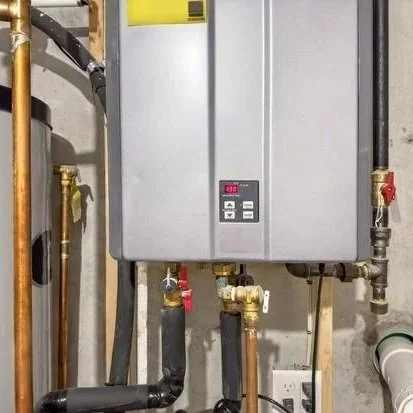
It's the hard water. Phoenix tap water carries a heavy load of dissolved calcium and magnesium, and when that water is heated, the minerals fall out of solution and settle as scale on the bottom of the tank. In water this hard, a new heater can show real sediment within the first year or two — far sooner than the textbook "flush it once a year." The fixes are flushing more often, softening the water, and not running the tank hotter than you need to.
You replaced the water heater not long ago, and it's already rumbling; the hot water doesn't last as long as it did, and a flush brings out a slurry of grit. It feels like you got a bad unit. You almost certainly didn't — what you got is Phoenix water meeting a hot steel tank, and the result is sediment building up faster than most people expect. Here's the chemistry behind it and what actually slows it down.
Where the Sediment Comes From
The grit in the bottom of your tank is mostly mineral scale — calcium and magnesium that were dissolved invisibly in the cold water coming in. Those minerals stay in solution when the water is cold. Heat the water, though, and they precipitate out, dropping to the bottom of the tank as a layer of hard sediment. A little sand or grit from the supply line adds to it, but in Phoenix, the overwhelming majority is dissolved hardness coming out of solution against hot steel.
The key driver is temperature. The hotter the water, the faster those minerals precipitate. Department of Energy research illustrates it starkly: in moderately hard water, a tank run at 140 degrees lays down scale roughly seven to eight times faster than the same tank at 120 degrees. So two things determine how fast your tank silts up — how hard your water is, and how hot you keep it.
Why It Happens So Fast Here
This is where Phoenix is different from most of the country. The City of Phoenix's own water quality reporting puts local hardness in the range of roughly 10 to 17.6 grains per gallon — well into the "very hard" category, since anything above about 10.5 grains per gallon earns that label. Every gallon heated in your tank carries that much mineral, day after day.
Put very hard water together with a tank that may be running on the warm side, and the math turns quickly. Where a softer-water region might follow the textbook advice of flushing once a year and never think about it, a Phoenix tank can show meaningful sediment within the first year or two. It's not a defective heater — it's a normal heater doing normal work in abnormally hard water.
How to Tell Sediment Is the Problem
The signs are usually easy to read once you know them:
| What you notice | What's happening |
|---|---|
| Popping or rumbling when it heats | Water flashing to steam under a layer of sediment |
| Hot water runs out faster than it used to | Sediment takes up space that used to hold hot water |
| Longer to reheat, higher gas or power bills | Scale insulates the burner or element from the water |
| Grit or cloudiness at faucet aerators | Mineral sediment carried out of the tank |
The popping is the most distinctive. As sediment piles up, water gets trapped underneath it and against the heating surface, then flashes to steam and forces its way up through the layer — the rumble and pop you hear when the heater runs. It's the tank telling you the bottom is silting up.
What Actually Slows It Down
You can't change Phoenix's water, but you can change how fast it wears out your heater. Three moves do the most.
First, flush more often than the standard advice. The usual recommendation is an annual drain-and-flush, but in very hard water, every six to twelve months is more realistic to keep loose sediment from hardening into a crust. Flushing clears the loose material; what it can't fully remove is scale that has already bonded to the surfaces, which is why frequency matters.
Second, soften the water. A water softener removes the calcium and magnesium before the water ever reaches the heater, attacking the problem at its root — and it protects every other fixture, faucet, and appliance in the house at the same time. It's the single most effective way to stop the cycle rather than just managing it.
Setting the tank a little lower also helps. Because scale forms much faster as temperature climbs, dialing the thermostat toward 120°F instead of 140°F slows mineral buildup dramatically — and 120°F is also the temperature most safety guidance recommends to prevent scalding.
Third, mind the anode rod. The sacrificial anode inside the tank corrodes to protect the steel, and hard water and sediment wear it out faster; checking it every couple of years and replacing it when spent keeps the tank itself from being the next thing to go. If you're on a tankless unit, the same minerals scale the heat exchanger and call for regular descaling — tankless heaters actually need more attention in hard water, not less. When the buildup is heavy or the unit is struggling, professional water heater service can flush it properly and check whether the tank has been damaged.
Frequently Asked Questions
In very hard water like Phoenix's, yes — it's normal and faster than most people expect. The dissolved minerals in hard water precipitate out when heated and settle in the tank, so a new heater can show real sediment within a year or two. It doesn't mean the unit is defective; it means the water is hard and the tank is doing its job in tough conditions.
More often than the standard once-a-year advice. In Phoenix's very hard water, every six to twelve months is a more realistic interval to keep sediment from hardening into a stubborn crust. Regular flushing clears the loose material before it bakes onto the tank bottom and heating surfaces, which protects efficiency and lifespan.
That's sediment. As mineral scale settles on the bottom, water gets trapped underneath it against the hot surface, flashes to steam, and forces its way up through the layer — the popping and rumbling you hear. It's an early sign the tank is silting up and is due for a flush, and a cue to think about softening the water.
It's the most effective prevention. A softener removes the calcium and magnesium before the water reaches the heater, so far less mineral is left to precipitate and settle. You may still flush occasionally, but the buildup slows dramatically, and the softener protects your fixtures, faucets, and other appliances from the same scale at the same time.
Yes, more than people realize. Minerals precipitate much faster as the water gets hotter — roughly seven to eight times faster at 140 degrees than at 120 in DOE testing. Dialing the thermostat down to 120 degrees significantly slows scale buildup and is the setting most safety guidance recommends to avoid scalding.
Over time, yes. A thick sediment layer makes the heater work harder and run hotter at the bottom, which stresses the steel and can shorten the tank's life or, in bad cases, lead to failure. It also insulates the burner or element, driving up energy bills. Managing it with flushing, softening, and anode-rod care is what protects your investment.
Hard Water Is the Real Story
A new water heater full of sediment isn't a lemon — it's the predictable result of heating some of the hardest water in the country. The minerals come out of solution against the hot tank and pile up, faster the hotter you run it. You can't soften the aquifer, but you can flush more often, install a softener to cut the problem off at the source, and keep the temperature reasonable. Do that, and your new heater will last as it should instead of silting up before its time.
New heater already rumbling with sediment? — Get it flushed properly and protected with softening sized for Phoenix water. Simba Plumbing LLC serves Phoenix and the Valley. ROC 327259. Call (602) 500-2153.
