
Why Does My Drain Smell Like Rotten Eggs?
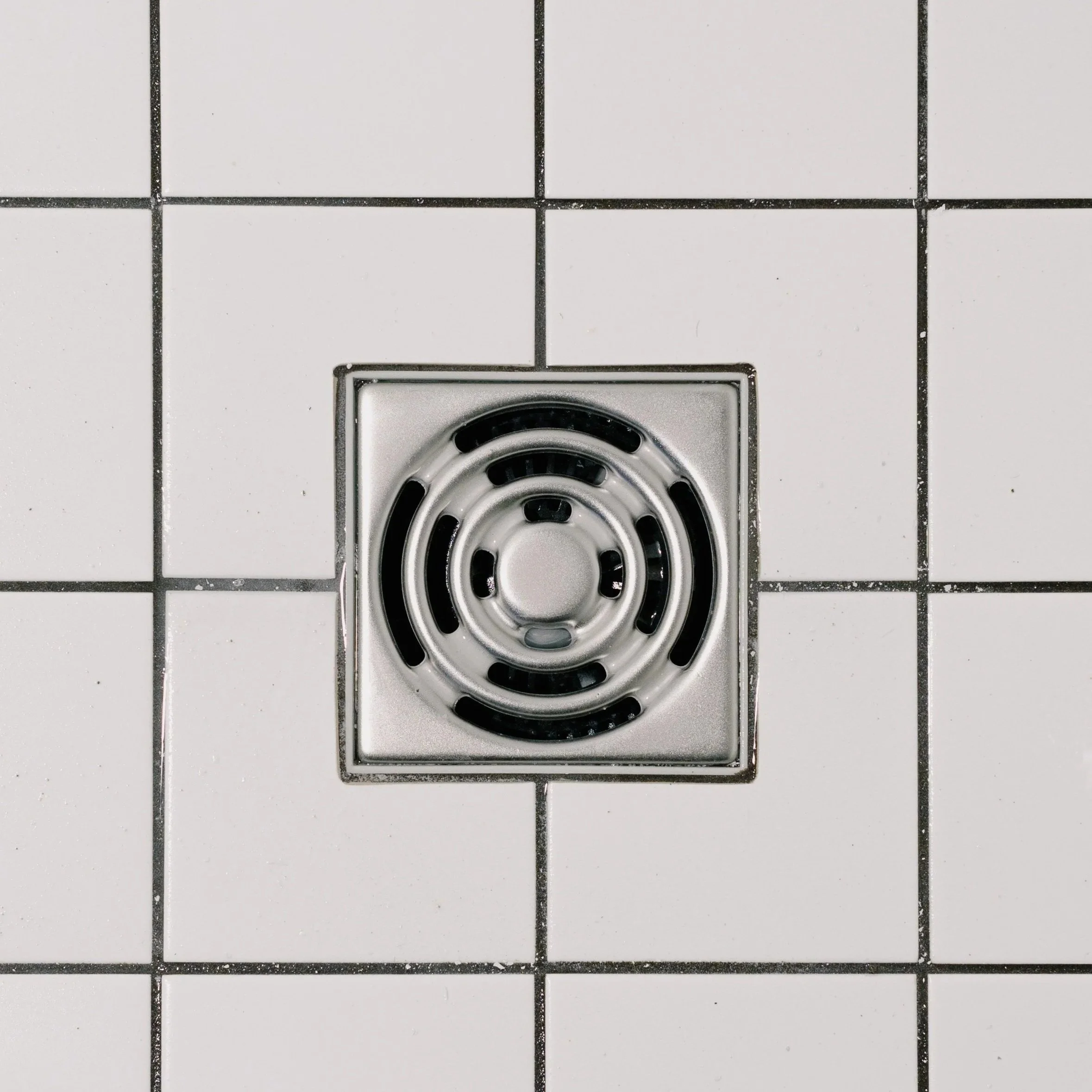
The guest bathroom smelled fine six weeks ago. Now the moment the door opens, there it is — rotten eggs, faint but unmistakable, drifting up from the direction of the shower drain. Nothing is dripping. The toilet flushes normally. But the smell won't leave.
Hydrogen sulfide is what creates that odor. Sulfur-reducing bacteria produce it as they break down organic matter — dead skin cells, hair, soap residue, food particles — inside drain pipes and sewer lines. The gas is detectable by the human nose at concentrations below 1 part per million. At low levels, it is an unpleasant nuisance. At sustained higher concentrations, exposure causes headaches and nausea.
The source of the gas matters more than the smell itself. A dry P-trap and a cracked sewer line both produce the same odor, but they require completely different responses. Pinpointing which drain or fixture is responsible — and understanding why gas is reaching the living space — is where a diagnostic starts.
What hydrogen sulfide actually is
Sewer systems are sealed for a reason. As waste breaks down, bacteria produce a mix of gases — methane, ammonia, carbon dioxide, and hydrogen sulfide among them. Under normal conditions, those gases travel up through vent pipes that run from the drain lines through the roof, exiting well above any living space.
When that sealed system breaks down — when the water seal is gone, the vent is blocked, or the pipe itself is fractured — gas finds a different route. It flows backward through the path of least resistance and rises out of the nearest open drain.
The most common cause: a dry P-trap
Beneath every drain — sink, shower, tub, floor drain — sits a curved section of pipe called a P-trap. Its purpose is simple: it holds a small amount of water that acts as a physical barrier, blocking sewer gas from traveling back up through the fixture. A healthy P-trap holds roughly 2 to 4 inches of water. That is all that stands between the home's interior and the sewer system below.
In intense heat, the water in an unused drain can evaporate completely within a week or two. A guest bathroom used only occasionally, a utility sink that has not been turned on in months, a floor drain in a storage room — any of these can lose their water seal without the occupant realizing it. Hot, dry climates accelerate this process significantly compared to milder regions.
Running water through every seldom-used drain for 30 seconds once a month keeps the P-trap sealed. For floor drains that evaporate faster, adding a small amount of mineral oil on top of the water slows evaporation — the oil floats on the surface and reduces air exposure.
Running water down the drain confirms whether a dry P-trap is the cause. If the smell disappears within a few minutes, that was the problem. If it lingers, the problem is deeper.
Biofilm on the drain walls
Even actively used drains can develop a rotten egg smell. The culprit is biofilm — a bacterial colony that takes hold on the inner surface of drain pipes wherever organic matter accumulates. Hair, soap scum, skin cells, and food particles give the bacteria a continuous food source. The bacteria metabolize that organic matter and produce hydrogen sulfide as a byproduct.
Biofilm in a shower drain presents as a slick, dark coating on the inside of the pipe walls. It is different from a hard clog — water still flows, but the smell is persistent and gets worse when water agitates the colony. In kitchen drains, the same film develops from cooking grease, food debris, and dish soap.
Biofilm functions like a deposit of sediment inside a pipe — not blocking flow but actively generating gas wherever organic debris accumulates and stagnates. High mineral content in the water supply compounds the effect, because calcium and magnesium scale create a rougher pipe surface that traps debris more readily.
A professional drain cleaning confirms biofilm as the source and clears it. Hydro jetting removes it thoroughly by stripping the colony off the pipe walls; snaking alone typically punches through without clearing the film.
Wax ring failure at the toilet
Every toilet sits on a wax ring — a thick gasket that seals the toilet base to the floor flange and creates an airtight connection to the drain pipe below. When that seal deteriorates, sewer gas escapes around the base of the toilet rather than traveling down through the sealed pipe system.
A toilet that rocks even slightly — due to an uneven floor, corroded anchor bolts, or a deteriorated flange — will eventually compromise the wax ring. The failure may be gas-only at first: a faint smell near a particular bathroom that is hard to locate. If the toilet is on an upper floor, water staining on the ceiling below suggests the seal has broken enough for liquid to escape as well.
Wax rings in homes with older fixtures — originally set 20 to 30 years ago — can fail at the original wax without any visible warning. The toilet appears normal; the seal is not.
Blocked or damaged vent pipe
Plumbing vent pipes serve two functions. First, they allow air into the drain system so water flows freely — without proper venting, drains gurgle and siphon out their own P-trap water seals. Second, they direct sewer gas out through the roofline, where it dissipates safely. A blocked or cracked vent disrupts the pressure balance throughout the entire drain system.
A blocked vent — from a bird nest, accumulated debris, or wind-blown leaves — prevents gas from escaping through the roof. The gas reverses direction and finds the nearest opening, which is usually a P-trap in the lowest drain in the house. A cracked vent pipe leaks gas directly into wall cavities or the attic, producing a smell that seems to come from everywhere at once.
A persistent sewer smell that affects multiple rooms, appears to move through the house, or is strongest inside walls or above ceilings is rarely a simple P-trap issue. A cracked or obstructed vent requires a smoke test or camera inspection to locate — a flashlight inspection from the roof will not identify interior wall cracks.
Sewer line problems
When sewer gas is entering from the main line rather than a single drain, the smell tends to concentrate in lower areas of the home — near the main clean-out access point, along the ground floor, or in a basement or crawl space. Several signs point to sewer line involvement rather than a fixture-level problem.
Slow drains appearing across multiple fixtures at once suggest a restriction or partial blockage in the shared line. Gurgling sounds in one drain when another fixture is running indicate a pressure problem in the shared pipe. A patch of unusually dark, lush grass in the yard above the buried sewer line suggests gas and liquid are escaping from a breach underground.
Tree root intrusion, settling soil, and aged pipe material all create gaps and fractures where gas escapes from the pipe into the surrounding earth and then into the structure above. A camera inspection threaded through the main clean-out is the only reliable way to assess the interior condition of a sewer line and locate the source of a breach.
When the hot water is the source
Not every rotten egg smell originates in the drain. If the odor only appears when hot water runs — at the shower, the kitchen tap, the bathroom faucet — and fades completely when the water stops, the water heater may be the source rather than the drain itself.
Sulfate-reducing bacteria inside a water heater tank can react with the magnesium sacrificial anode rod to produce hydrogen sulfide in the stored hot water. Tanks that sit unused for extended periods or supply systems with elevated sulfate levels in the incoming water are more susceptible to this reaction. Higher mineral content in the water supply accelerates bacterial activity.
A simple test: fill a glass with hot water, carry it to a different room or outside, and smell it away from the drain. If the water itself smells like rotten eggs, the tank is the source, not the drain system.
How a plumber diagnoses the source
Pinpointing the source of a drain smell follows a systematic process. A plumber starts by checking every seldom-used drain for evaporated P-trap water, inspecting each toilet for wax ring integrity, and identifying any fixtures with visible biofilm buildup in the drain opening. If the cause is not immediately apparent, a smoke test introduces non-toxic theatrical smoke into the drain system under low pressure. Any opening — a cracked vent fitting, a failed seal, a disconnected collar — allows smoke to escape at that location.
For suspected sewer line involvement, a camera inspection provides visual confirmation of cracks, root intrusion, bellied sections, or collapsed pipe. These diagnostic tools narrow the problem to a specific fixture or pipe section rather than requiring guesswork about a general area.
Frequently Asked Questions
At typical household concentrations — the faint, intermittent odor from a dry P-trap or minor biofilm — sewer gas is an unpleasant nuisance rather than a medical emergency. Hydrogen sulfide causes eye and respiratory irritation at concentrations above 10 parts per million and becomes acutely dangerous above 100 parts per million. A smell strong enough to produce immediate dizziness, eye irritation, or nausea warrants ventilating the space and calling a plumber that day.
Atmospheric pressure affects how sewer gas moves through the plumbing system. A drop in barometric pressure — common before a storm — reduces the ability of gas to escape through the vent stack, pushing it back through P-traps and drain openings. A smell that worsens noticeably before or during storms, or on windy days, often points to a vent pipe issue rather than a drain-level problem.
Filling a glass with water from the suspect tap, then taking it outside to smell it away from the drain, isolates the source. If the glass smells like sulfur, the water supply or water heater is the source. If the water smells clean but the drain still produces the odor, the problem is in the drain system or the venting behind it.
A single smelly drain almost always indicates a localized cause — a dry P-trap in that specific fixture, biofilm in that pipe run, or a wax ring failure at the nearest toilet. When multiple drains smell simultaneously, the cause is typically systemic: a blocked vent stack, a sewer line breach, or a problem at the main line level that affects all fixtures sharing the same venting.
Biofilm returns in any drain where organic matter and moisture are present, which describes every active household drain. Hydro jetting removes it more thoroughly than mechanical snaking because high-pressure water strips the bacterial colony off the pipe walls rather than punching through it. Drains cleaned via hydro jetting tend to stay clear longer, though periodic maintenance is still required.
Bleach may temporarily reduce odor from surface biofilm, but it does not address a dry P-trap, a cracked vent, a failed wax ring, or a sewer line problem. It also does not penetrate deep into an established biofilm colony — only the top layer. If the cause is anything beyond a minor bacterial film near the drain opening, bleach postpones the actual repair without solving it.
In hot climates, P-trap evaporation happens faster than in mild regions. What takes months elsewhere can happen within one to two weeks during peak summer temperatures. A rotten egg smell that appears in warm months from a seldom-used drain, then disappears after running water for a minute, is a reliable indicator that heat-driven evaporation is the cause, not biofilm or a deeper system problem.
A drain smell that keeps coming back after running water almost always points to something deeper than a dry P-trap — biofilm, a failed wax ring, or a vent issue that only a proper diagnostic resolves. Simba Plumbing serves Phoenix, Scottsdale, Mesa, Chandler, Gilbert, Glendale, Peoria, Tempe, Surprise, Goodyear, Avondale, and surrounding Valley communities.ROC #327259. Call (602) 500-2153.
