
Tank vs. Tankless in a Hard-Water Home: Which Lasts Longer?
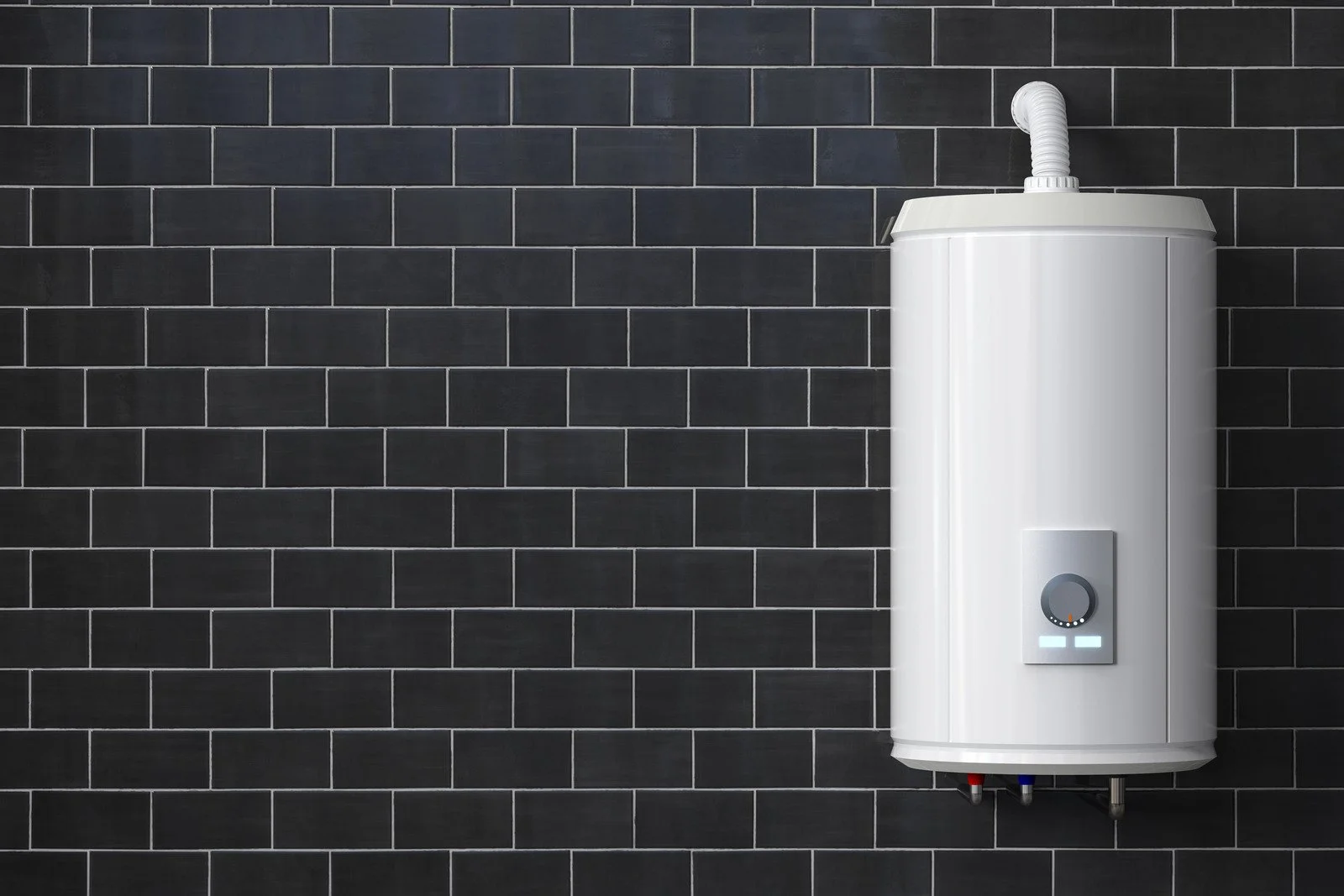
In a hard-water home, a tankless water heater generally has a longer potential lifespan than a tank — often 20 years or more versus about 8 to 12 — but only if it's descaled regularly and ideally paired with a water softener. Hard water builds scale inside a tankless unit's narrow heat exchanger, where neglect quickly erodes its advantage, while in a tank the minerals settle as sediment that flushing removes. So the honest answer to "which lasts longer" is: tankless, if you maintain it; a well-flushed tank can still outlast a neglected tankless. Maintenance commitment and water treatment, more than the heater type alone, decide real-world longevity in hard water.
When hard water is part of the equation, "which water heater lasts longer" gets more complicated than the usual tank-versus-tankless comparison. Both types are affected by the minerals in hard water, just in different places and different ways. The real answer depends as much on maintenance as on the technology — so it's worth understanding how each one ages when the water is hard.
How Hard Water Attacks Each Type
Hard water carries dissolved minerals that precipitate out as scale wherever water is heated. That's the common enemy, but it collects differently in each heater.
In a tank, the minerals settle to the bottom as sediment. Over time, that layer insulates the burner, slows recovery, reduces capacity, and stresses the steel — and it shortens the tank's life if it's never cleared. The defense is flushing the tank to remove the sediment.
In a tankless unit, water is heated as it rushes through a narrow heat exchanger, and scale builds up on the inside of those small passages. Because the channels are tight, scale has an outsized effect — it cuts efficiency, restricts flow, and can shorten the unit's life if left unchecked. The defense is descaling, and in hard water that maintenance is more critical than the flushing a tank needs.
The Lifespans, Side by Side
On paper, a tankless unit has a longer life. A conventional tank typically lasts around 8 to 12 years, while a tankless unit can run 20 years or more. Part of the tankless advantage is that there's no standing tank of water to corrode from the inside. But that longer life is conditional in hard water — it assumes the unit is descaled on schedule. A tankless heater neglected in hard water can lose much of its lifespan advantage as scale builds in the heat exchanger.
| Factor | Tank (hard water) | Tankless (hard water) |
|---|---|---|
| Where scale collects | Sediment at the bottom | Inside the heat exchanger |
| Maintenance needed | Periodic flushing | Periodic descaling |
| Potential lifespan | About 8–12 years | Often 20+ years |
| Sensitivity to neglect | Wears faster if unflushed | Loses life fast if undescaled |
| Benefits from softener | Helpful | Strongly recommended |
| Corrosion risk | Standing tank can rust | No standing tank to corrode |
Why Maintenance Decides the Real Answer
Here's the key point: in hard water, the heater that lasts longer is the one that's properly maintained, and tankless simply has a higher ceiling if you reach it. A diligently descaled tankless unit, especially with a softener cutting the scale at the source, can deliver its full long life. A neglected tankless unit can scale up and fail well short of its potential. Meanwhile, a tank that's flushed regularly can reach the upper end of its range, and a well-maintained tank can outlast a neglected tankless. So the comparison isn't really tank versus tankless — it's maintained versus neglected, with tankless offering more reward for the upkeep.
The Role of a Water Softener
In a hard-water home, a water softener changes the math for both heaters by removing the minerals before they ever reach the unit. For a tankless heater, it's strongly recommended because it protects the heat exchanger and reduces how often descaling is needed, helping the unit reach its long lifespan. For a tank, it slows sediment accumulation and corrosion. With a softener in place, both heaters perform much closer to how they would on naturally soft water, which often shifts the decision back to supply, space, and budget rather than scale.
If you're choosing a heater for a hard-water home and leaning tankless for its longer life, plan for the maintenance that makes that life real — a water softener and a regular descaling schedule. Budgeting for those up front is what turns the tankless lifespan advantage from a brochure number into an actual outcome.
Choosing for Longevity
If maximum lifespan is your priority and you're willing to maintain the unit — descaling on schedule and ideally softening the water — a tankless heater offers the longest life in a hard-water home, along with endless hot water and space savings. If you'd prefer a lower upfront cost and simpler upkeep, a tank can serve well for its expected life with regular flushing, though it won't match a maintained tankless unit's longevity. The worst outcome is a tankless unit bought for its long life and then neglected in hard water, which squanders the advantage. Be honest about the maintenance you'll actually keep up with, since in hard water, that's what determines which heater lasts.
Frequently Asked Questions
It has a longer potential lifespan — often 20 years or more versus about 8 to 12 for a tank — but only if it's descaled regularly and ideally paired with a softener. Hard water builds scale in the tankless heat exchanger, and neglect erodes that advantage. A well-maintained tankless unit lasts longest, but a flushed tank can outlast a neglected tankless.
Because a tankless unit heats water in a narrow heat exchanger, hard water builds scale inside those small passages. Since the channels are tight, scale has an outsized effect — reducing efficiency, restricting flow, and shortening the unit's life if it isn't descaled. This is why regular descaling, and ideally a softener, are important for tankless units in hard water.
In a tank, hard water deposits sediment at the bottom, which insulates the burner, slows reheating, reduces capacity, and stresses the steel. Regular flushing clears the sediment and protects the heater. A tank is somewhat more forgiving of an occasional missed flush than a tankless unit is of missed descaling, but neglect still shortens its life.
Yes, for both types. A softener removes the minerals before they reach the heater, protecting a tankless unit's heat exchanger and slowing sediment and corrosion in a tank. It's strongly recommended for tankless units in hard water and helpful for tanks. With a softener, both heaters perform closer to how they would on naturally soft water.
More often than in soft water, the harder the water, the more frequent it should be. Installers and manufacturers give specific guidance, but in hard-water areas, descaling is a regular task, not an occasional one. A water softener significantly reduces how often it's needed by removing the scale-forming minerals at the source.
If you'll maintain it — descaling and ideally softening the water — a tankless unit offers the longest life plus endless hot water and space savings. If you want lower up-front cost and simpler upkeep, a well-flushed tank serves its expected life. The deciding factor is the maintenance you'll realistically keep up with, since that determines real longevity in hard water.
Maintenance Decides Which Lasts
In a hard-water home, a tankless heater has a higher lifespan ceiling, but it only reaches it with regular descaling, and ideally, a softener — and a well-flushed tank can outlast a neglected tankless. The honest comparison is maintained versus neglected, with tankless offering more reward for the upkeep. Decide based on the maintenance you'll truly keep up with, and treat a softener as part of the plan.
Choosing a water heater for hard water? — Get sizing, maintenance, and softener guidance to pick the one that will actually last. Simba Plumbing LLC serves Phoenix and the Valley. ROC 327259. Call (602) 500-2153.
