

Our Blog
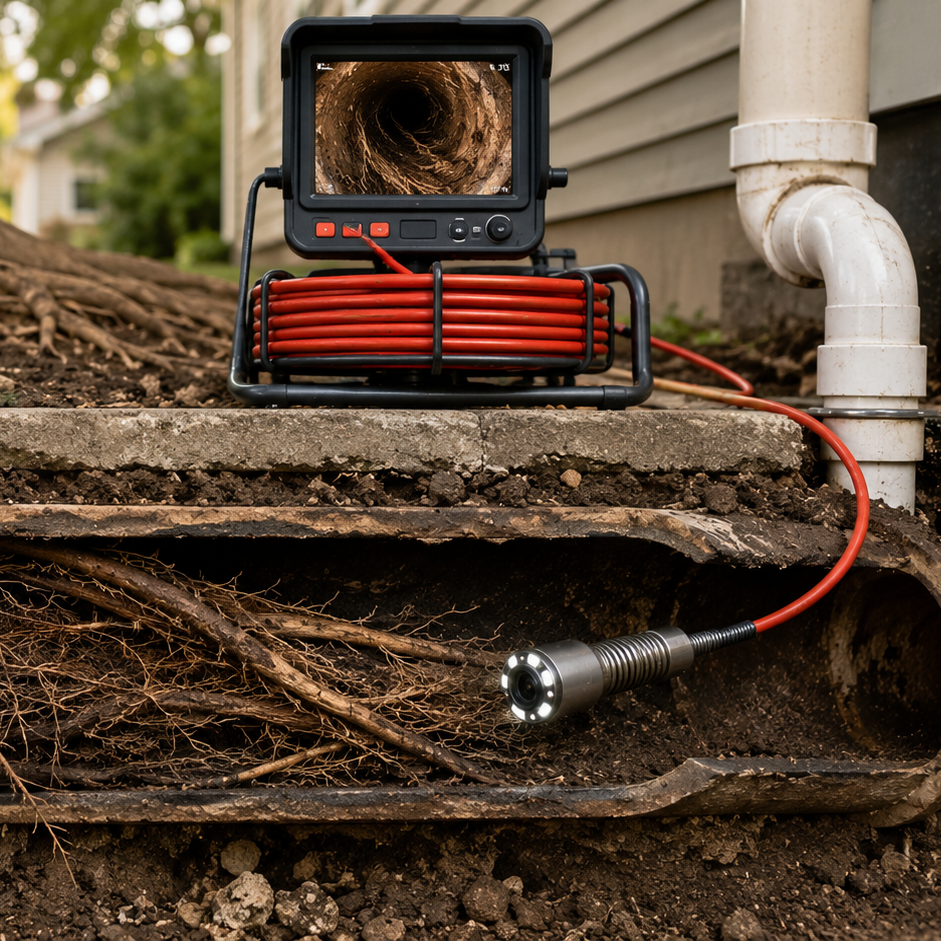
How Do I Know If Tree Roots Are in My Sewer Line?
The bathtub draining steadily. The kitchen sink not far behind. A toilet that gurgles after every flush, and a faint sulfur smell from the laundry room floor drain that showed up two weeks ago and hasn't left. Four fixtures. Four separate problems — or so it seems.
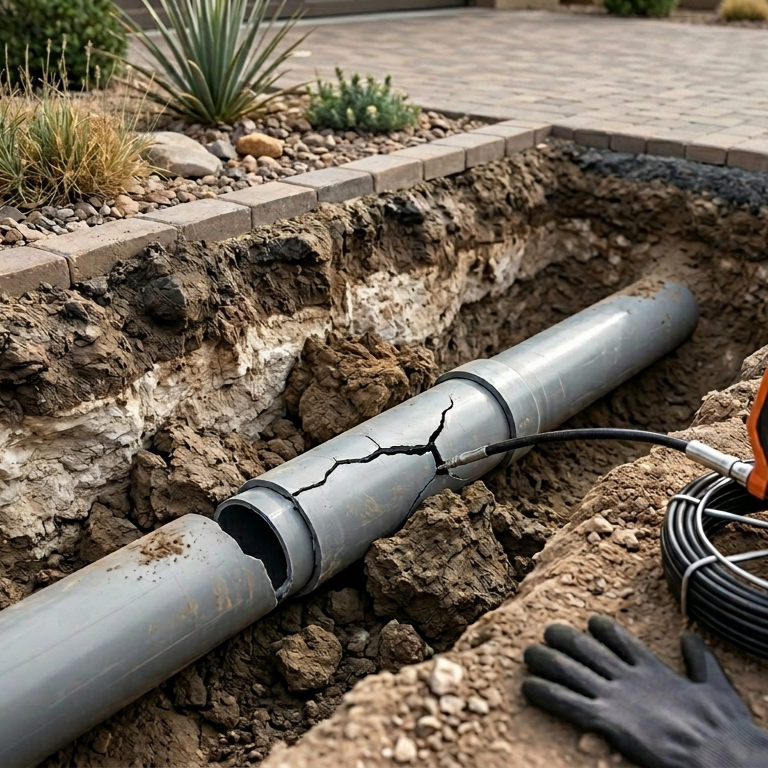
Does Expansive Soil Cause Underground Sewer Lines to Crack?
The drain backed up on a Tuesday. A plumber came out, ran a snake through it, and it cleared in twenty minutes. Two months later, same drain, same backup. This time, the plumber snaked it again and suggested jetting. After jetting, it cleared for six weeks. Then it backed up a third time.
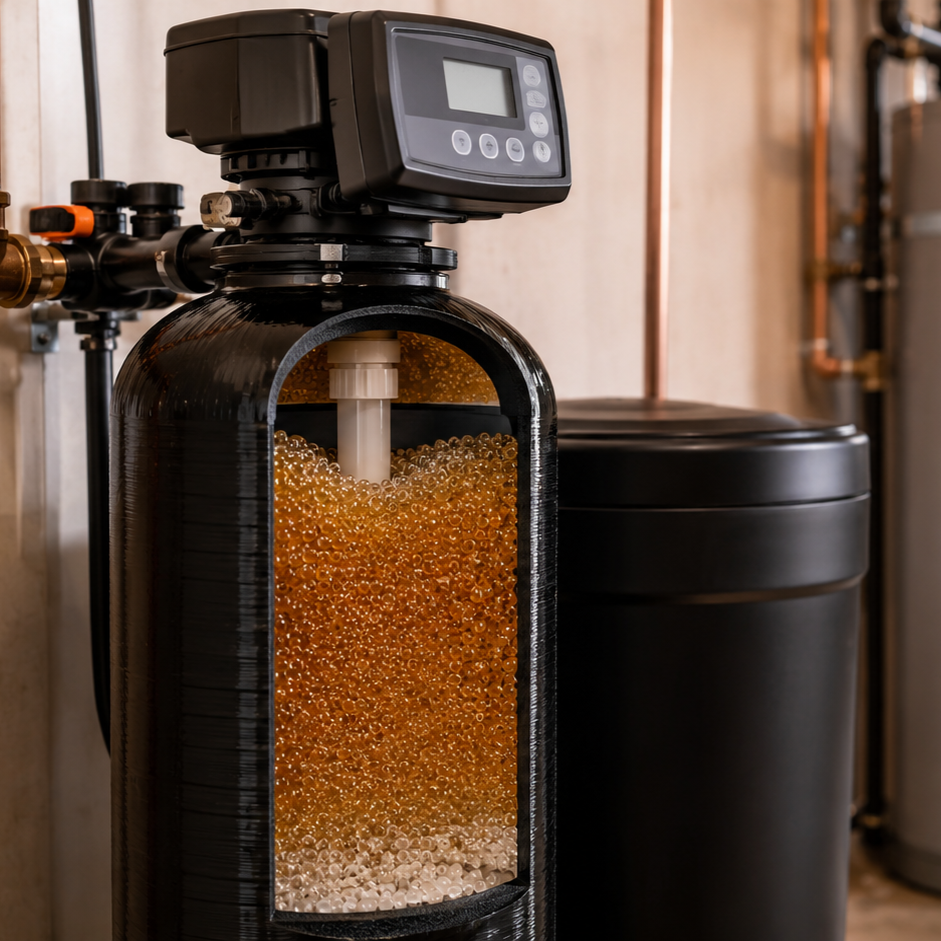
How Do I Know If My Water Softener Resin Bed Needs Replacing?
The showerhead has scale on it again. Not the kind that wipes off — the kind that sits in ridges around the spray nozzles and shrinks the flow down to half. The softener is set to regenerate every night. The salt tank has been filled. And yet the water feels hard again, the soap barely lathers, and the glassware is coming out of the dishwasher with a white haze that wasn't there a year ago.
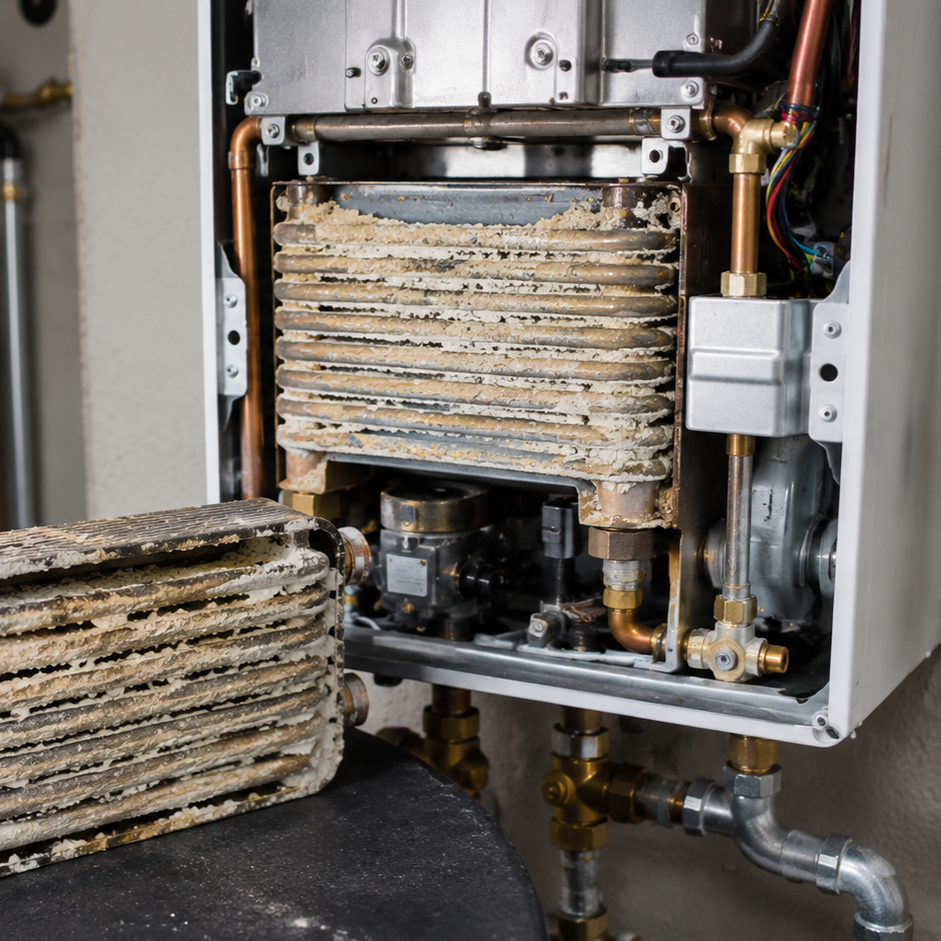
How Does Hard Water Affect a Tankless Water Heater?
The white crust around the faucet base was there all along, but the homeowner didn't think much of it. Then the tankless unit started throwing error codes. The hot water pressure dropped. The unit that was supposed to last twenty years was struggling at eight. The scale that coated the faucet had been quietly doing the same thing inside the heat exchanger — one mineral layer at a time.
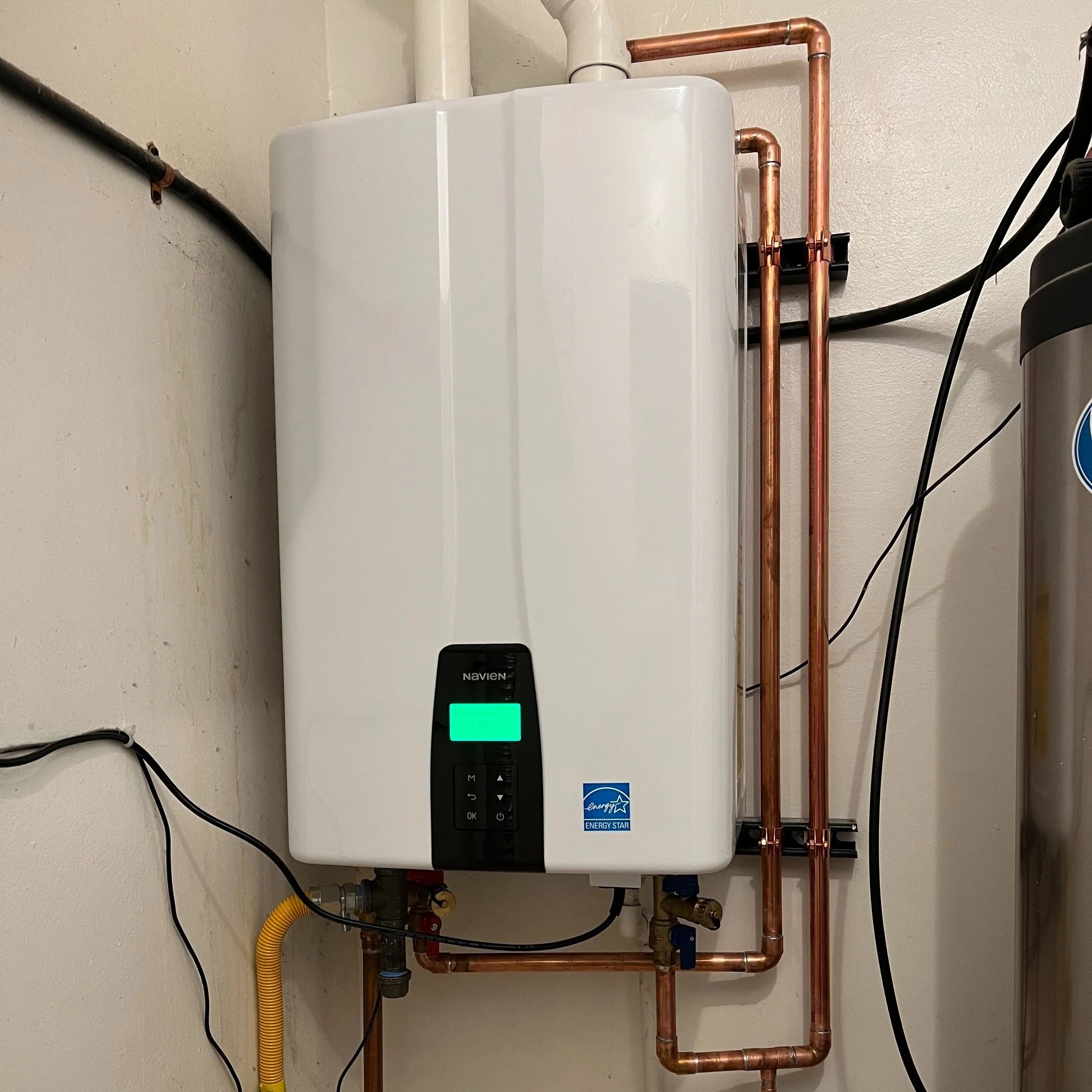
What Size Tankless Water Heater Do I Need?
The fourth person in the house steps into the shower at 7:45 a.m. Two minutes in, the water goes cool, then cold. Everyone else finished their shower. This person got lukewarm at best. The tank is doing exactly what it was built to do: run out.
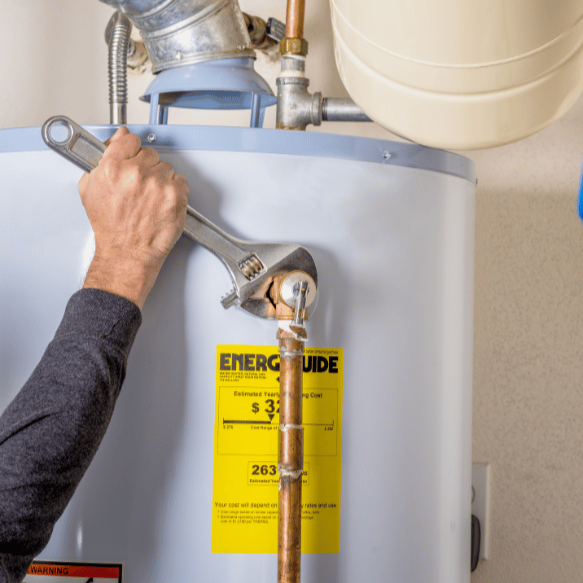
How Long Does a Water Heater Typically Last?
The sticker on the side of the water heater shows a manufacture date from twelve years ago. The unit hums along in the garage, making enough hot water — for now. Planning a replacement feels premature. Waiting for something to break feels reckless. That's the question plumbers hear more than almost any other.
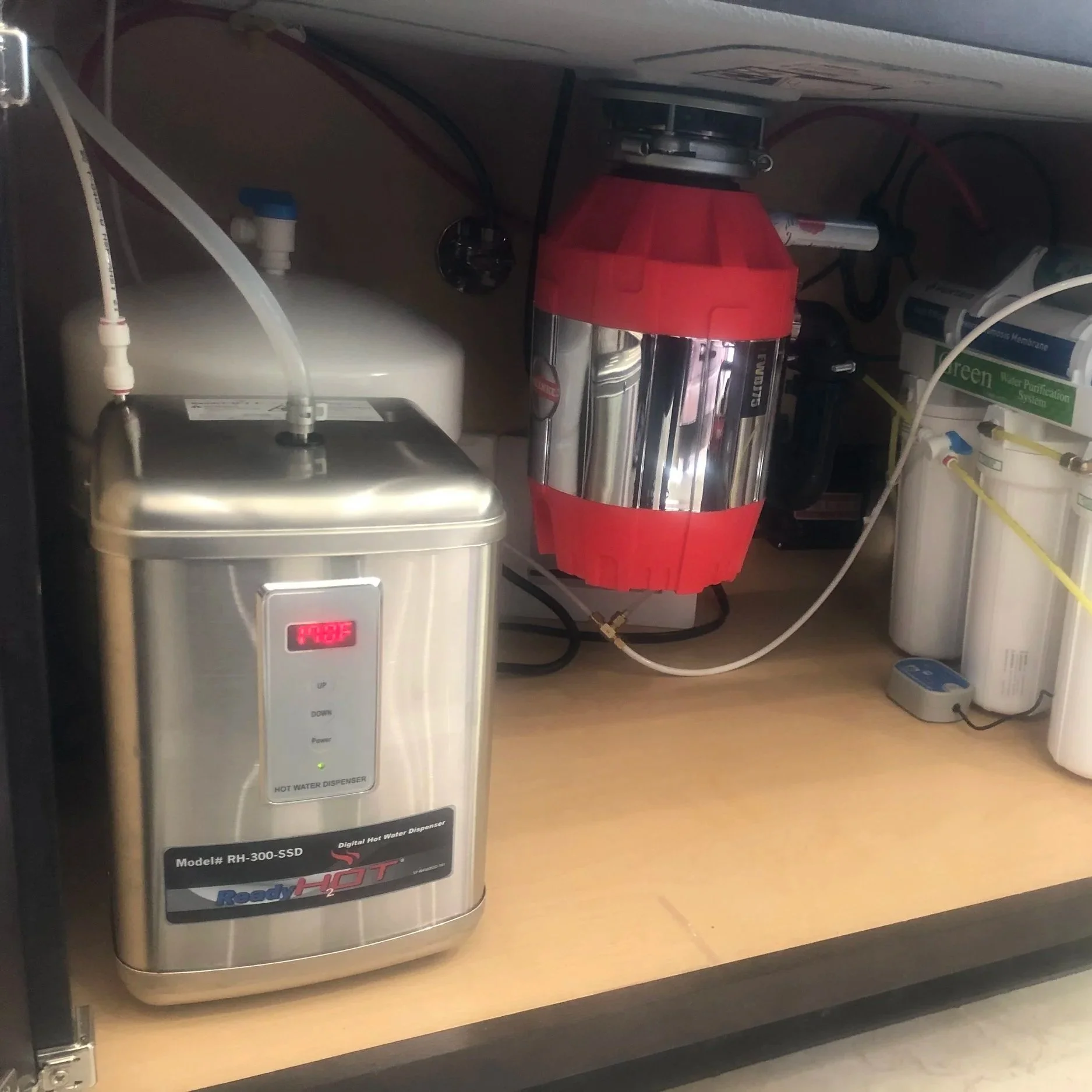
Do I Need a Water Heater Expansion Tank?
The pressure relief valve on the water heater has been dripping into the drain pan again. Not a flood — just a thin trickle of hot water, once or twice a day, that dries up on its own. Easy to ignore. Except it means the tank pressure has been spiking high enough, repeatedly, to force the safety valve open. That's not a fluke. That's a symptom of a plumbing system that has nowhere for expanding water to go.
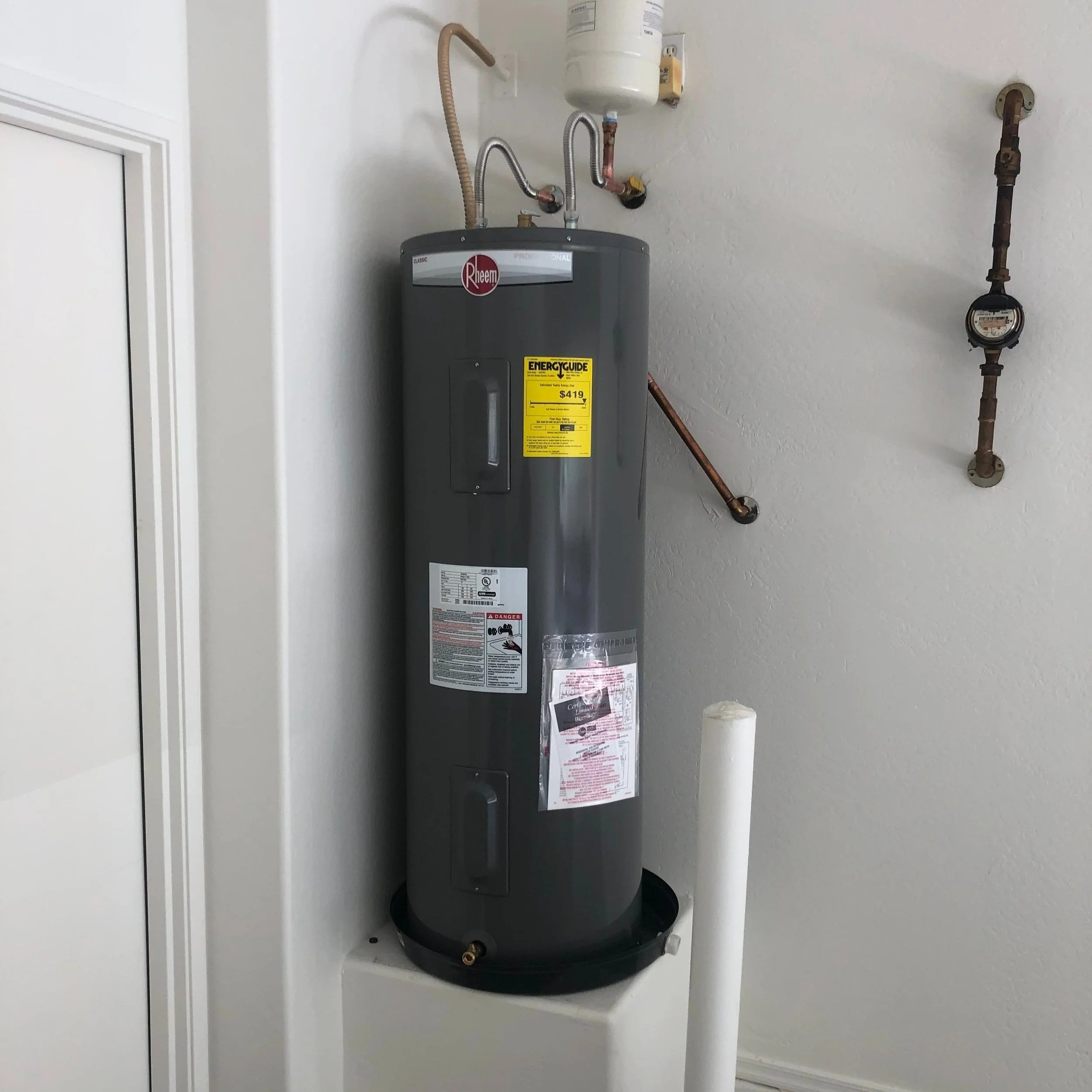
Why Does My Water Heater Make a Popping or Rumbling Noise?
The sound comes from the utility closet — a low, hollow rumble that rolls into a series of sharp pops, like someone cracking knuckles against the inside of the tank. It shows up when the burner fires, fades as the water finishes heating, then returns the next morning. Homeowners usually live with it for weeks before wondering whether the unit is about to fail.
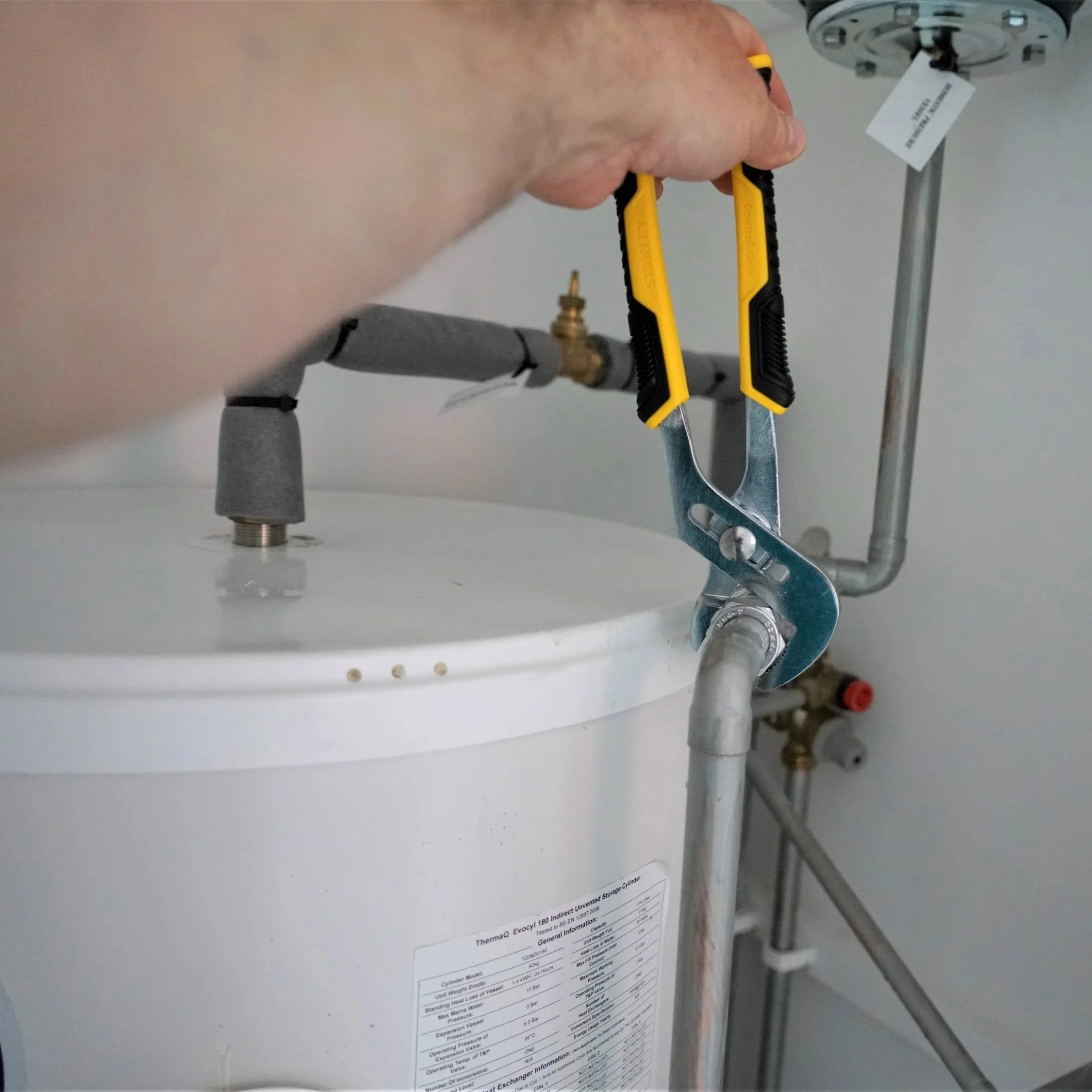
How Do I Know If My Water Heater Anode Rod Needs Replacing?
The hot water in the master bath has had a faint sulfur smell for the past few weeks. Not overpowering — just enough to notice when the shower runs. The water heater is only seven years old and heats fine, so it doesn't feel urgent.
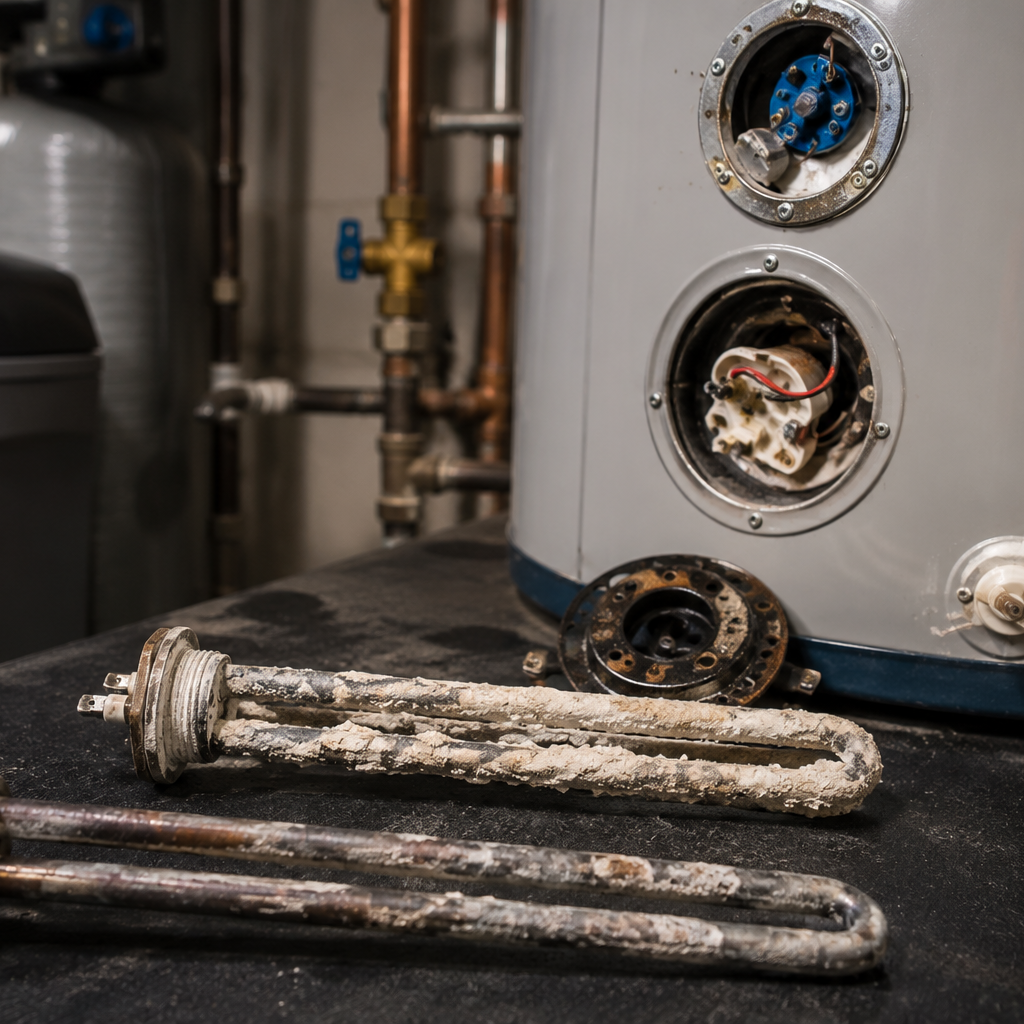
How Do I Know If My Water Heater Heating Element Is Failing?
The morning shower was fine on Monday. By Wednesday, it was lukewarm. By Friday, the water barely got above body temperature — and that's when the second breaker in three months tripped. The heater is only six years old. The tank shows no leaks. What changed?
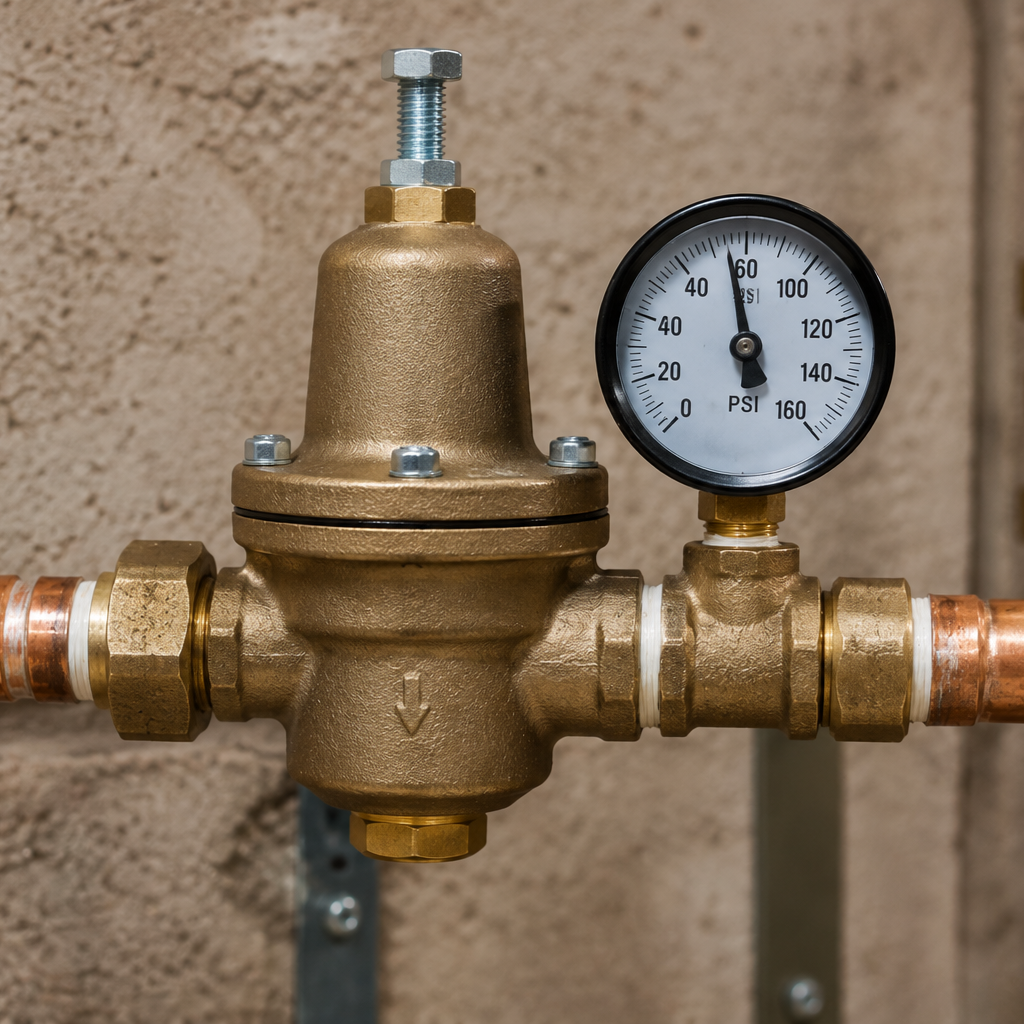
What Is a PRV and Does My Home Need One?
Turn on the kitchen faucet, and the water hits the basin hard enough to splash. The toilet fills in under a minute. The ice maker sounds like it's under pressure every time it cycles. These details seem minor — even preferable — until a supply hose fails at 95 PSI instead of 60 and the washing machine turns into a fountain.
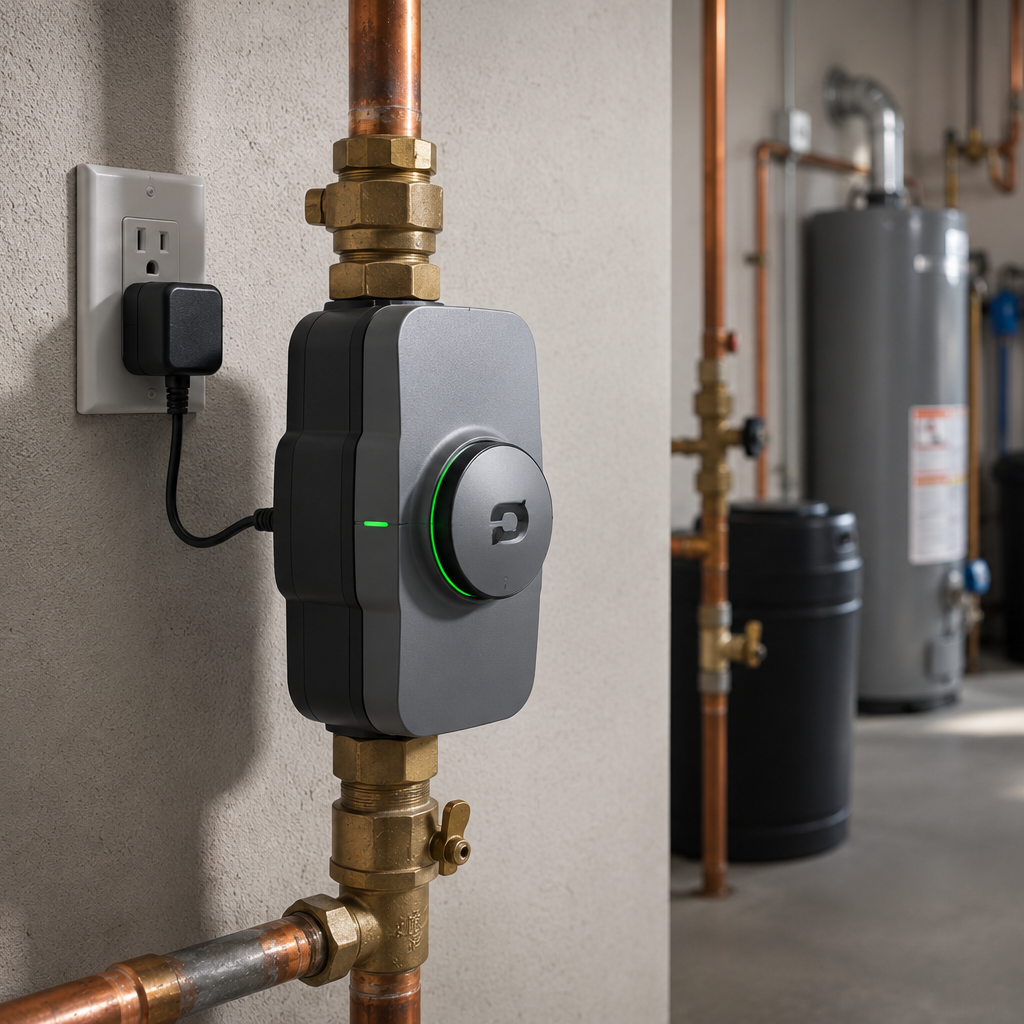
Is a Smart Water Shut-Off Valve Worth It for Vacation Homes?
The locks are checked. The AC is set to 85 degrees. The neighbor has the spare key. But somewhere behind the drywall, a washing machine supply hose has been swelling for three years, and it has no idea the house is going to sit empty all summer.
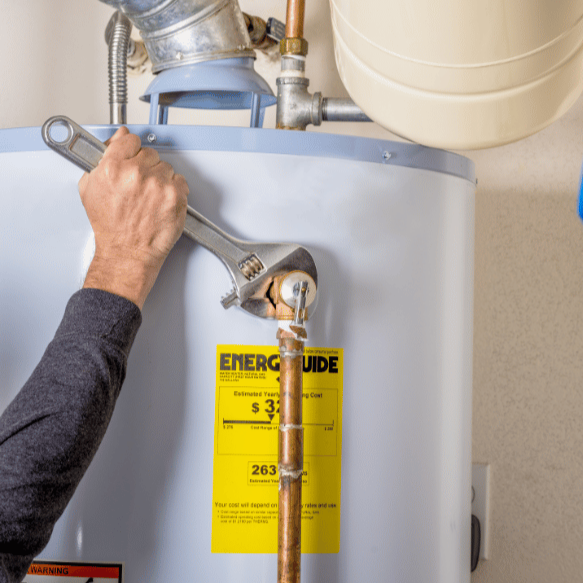
Reliable Hot Water With Professional Water Heater Services
A water heater may seem like a simple appliance, but it operates under a delicate balance of temperature control, pressure management, and energy efficiency.
Enhancing Safety With Automatic Water Shutoff Valves
Automatic shutoff valves play a starring role in preventing water mishaps before they become full-blown emergencies.
Upgrading Plumbing Systems With Whole-Home Repiping
Pipes are the veins of a home, carrying fresh water in and whisking wastewater out.
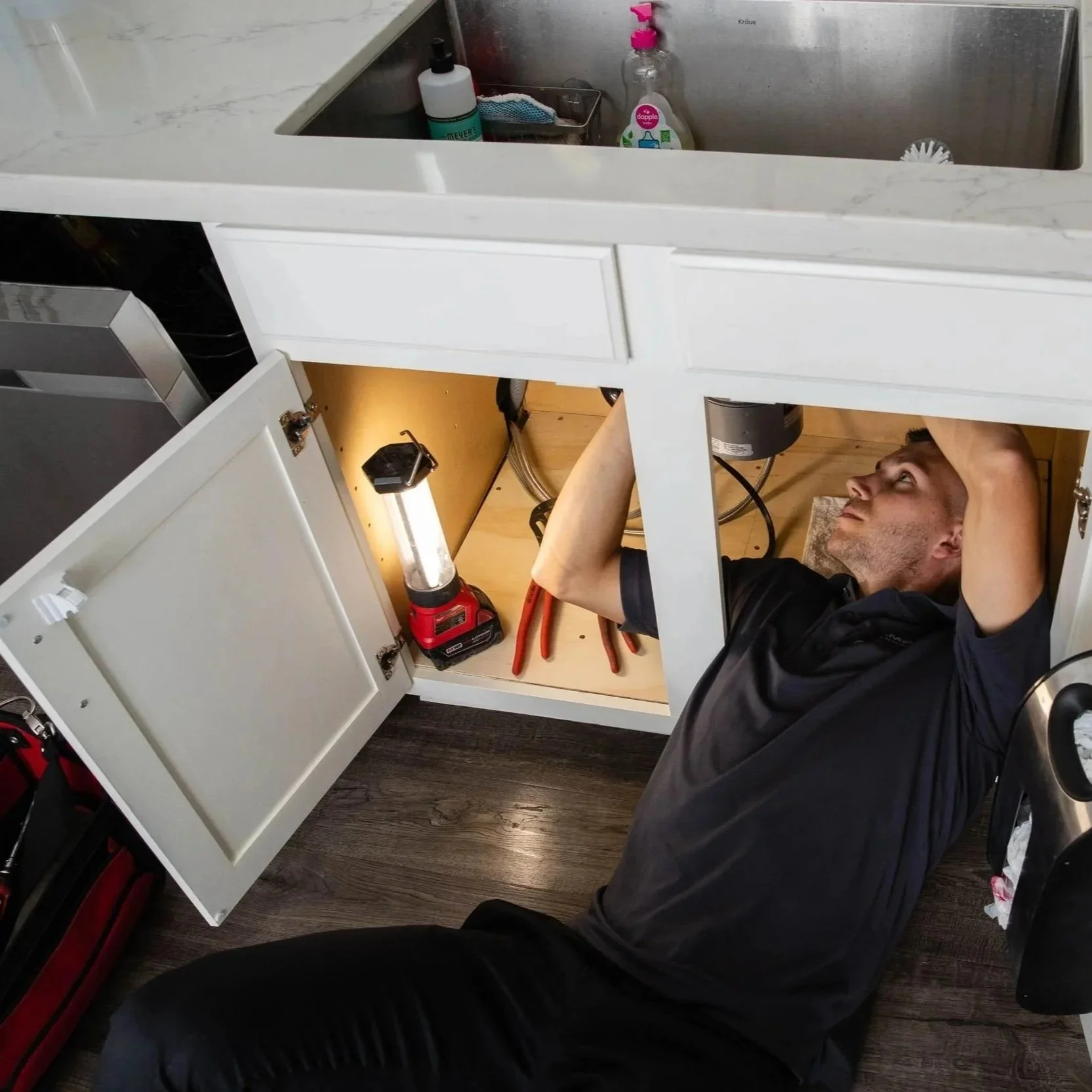
Should I Repair or Replace My Garbage Disposal?
The kitchen sink backed up again. Not a slow drain — the water just sits there. Open the cabinet underneath, and that faint burning smell hits immediately. The disposal hums when the switch gets flipped, but nothing spins. Or it grinds and rattles in a way it never has before. Eventually, the same question lands: is this worth fixing, or is it time to pull the whole thing out?

Pressure-Balancing vs Thermostatic Shower Valve: What’s the Difference?
The toilet flushes in the hall bathroom, and the shower suddenly runs hot. That momentary spike — cold water pressure drops, hot pressure surges — is exactly the scenario shower valves exist to prevent. Two different valve technologies do the job through entirely different mechanisms, and choosing between them is less about brand loyalty than understanding what each one actually does inside the wall.
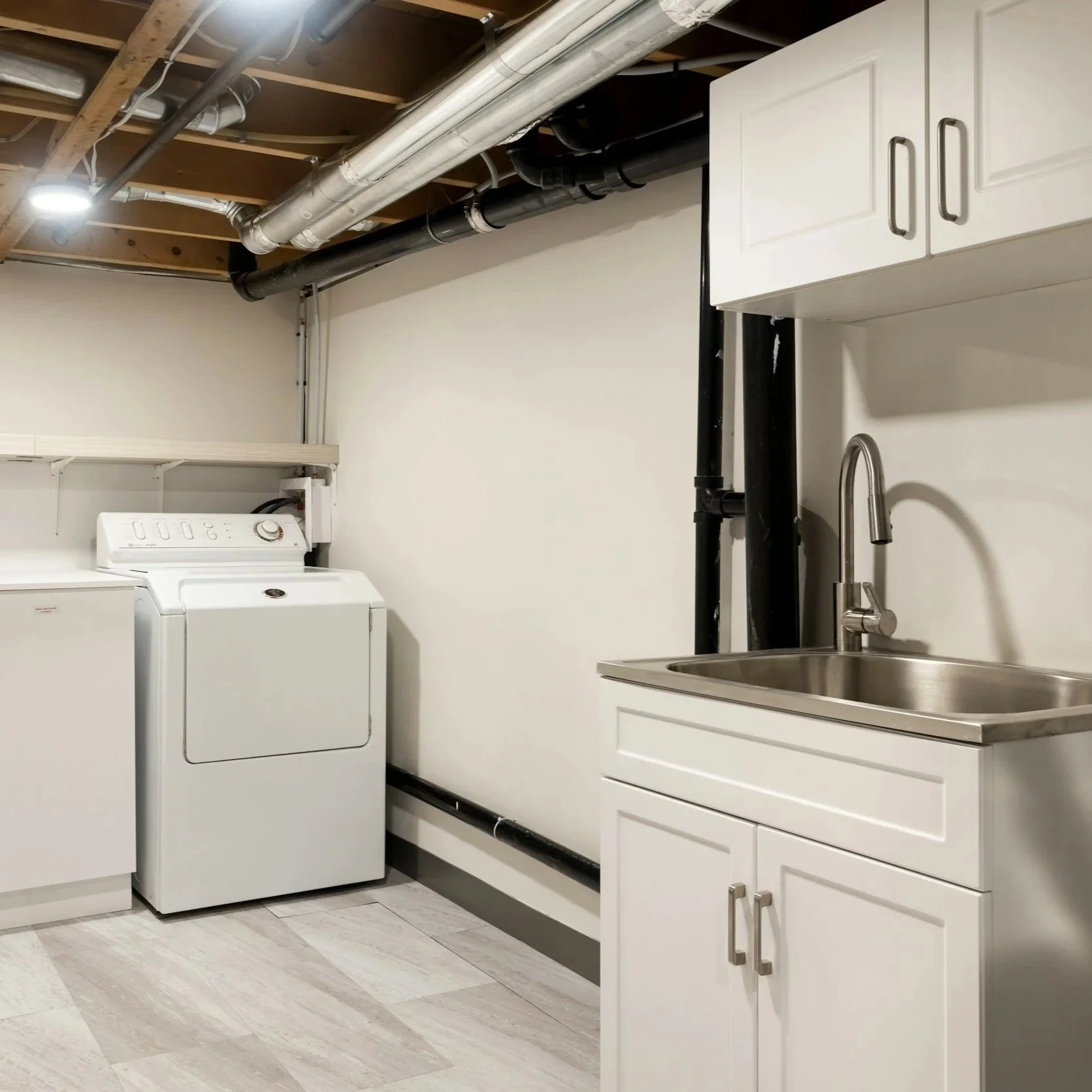
Protecting Basements With Sump Pump Services
Water finds its way in through the smallest cracks, sneaking past sealants and causing problems that go beyond a puddle.
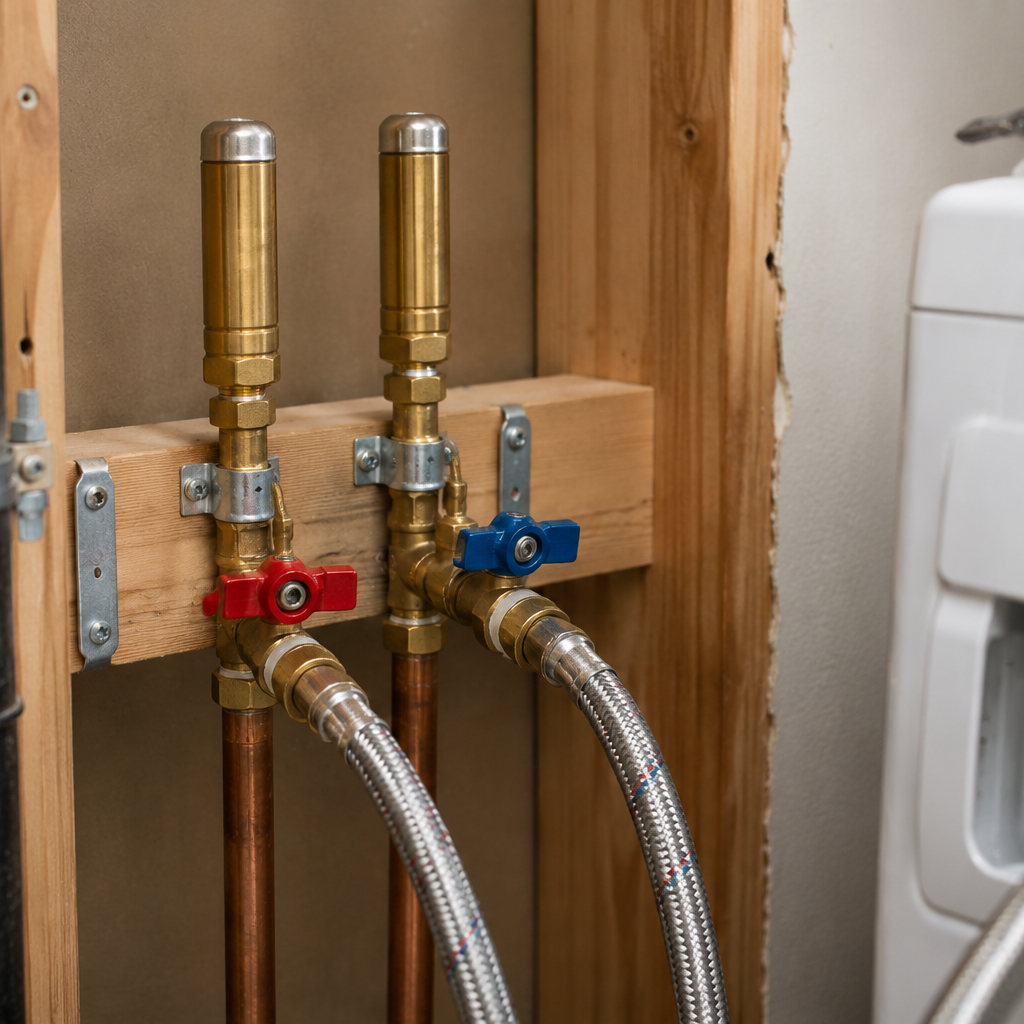
What Is a Water Hammer and How Do You Fix It?
The bang hits at 10 p.m. — a sharp crack inside the wall behind the washing machine, loud enough to make someone look up from whatever they were doing. It happened last week, too, and the week before.
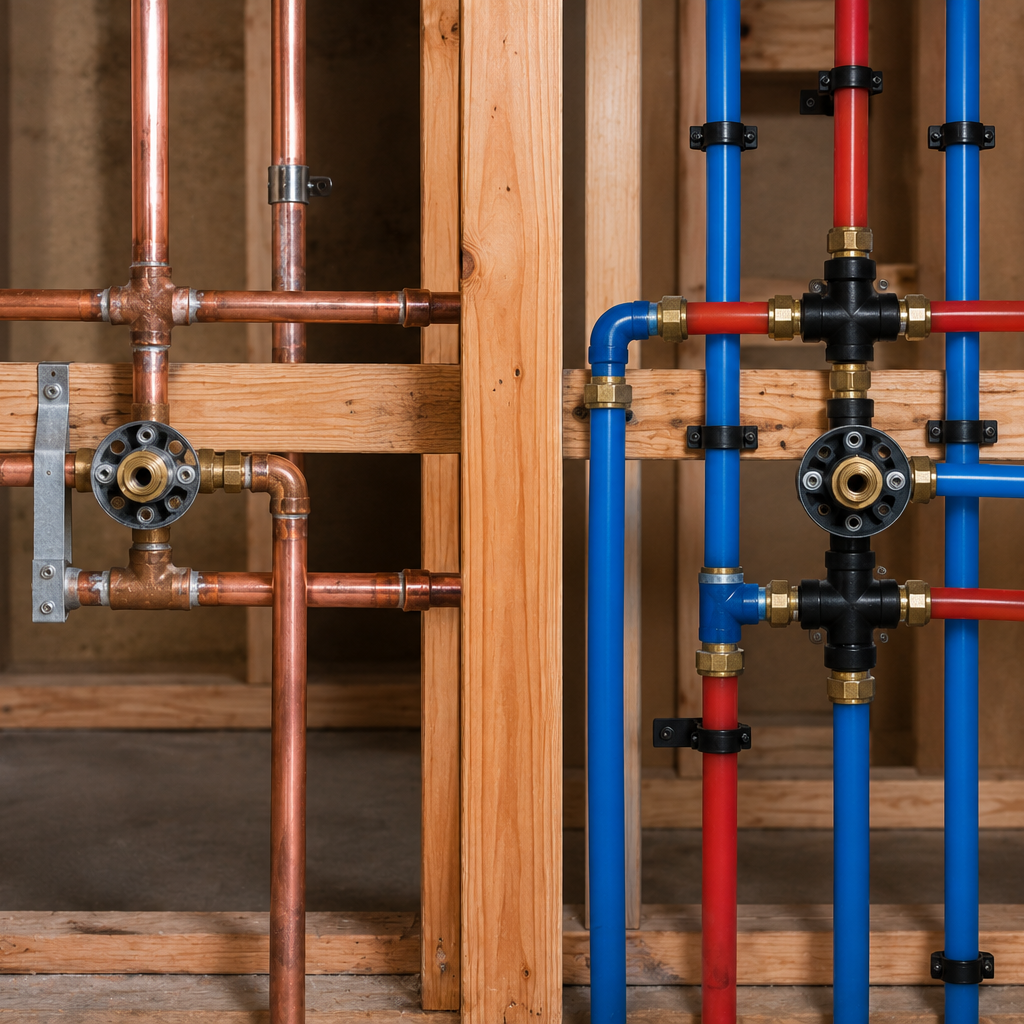
PEX vs Copper Pipe: Which Is Better for Repiping?
The galvanized pipes in a 1970s home run fine for decades — until they don't. A pinhole leak behind the kitchen wall. Low pressure that gets worse every year. Rust-colored water on the first draw of the morning. When those signs stack up, a plumber usually delivers the same news: the pipes need to come out. And then comes the question every homeowner asks: PEX or copper?