
How Often Should You Descale a Tankless Heater in Hard Water?
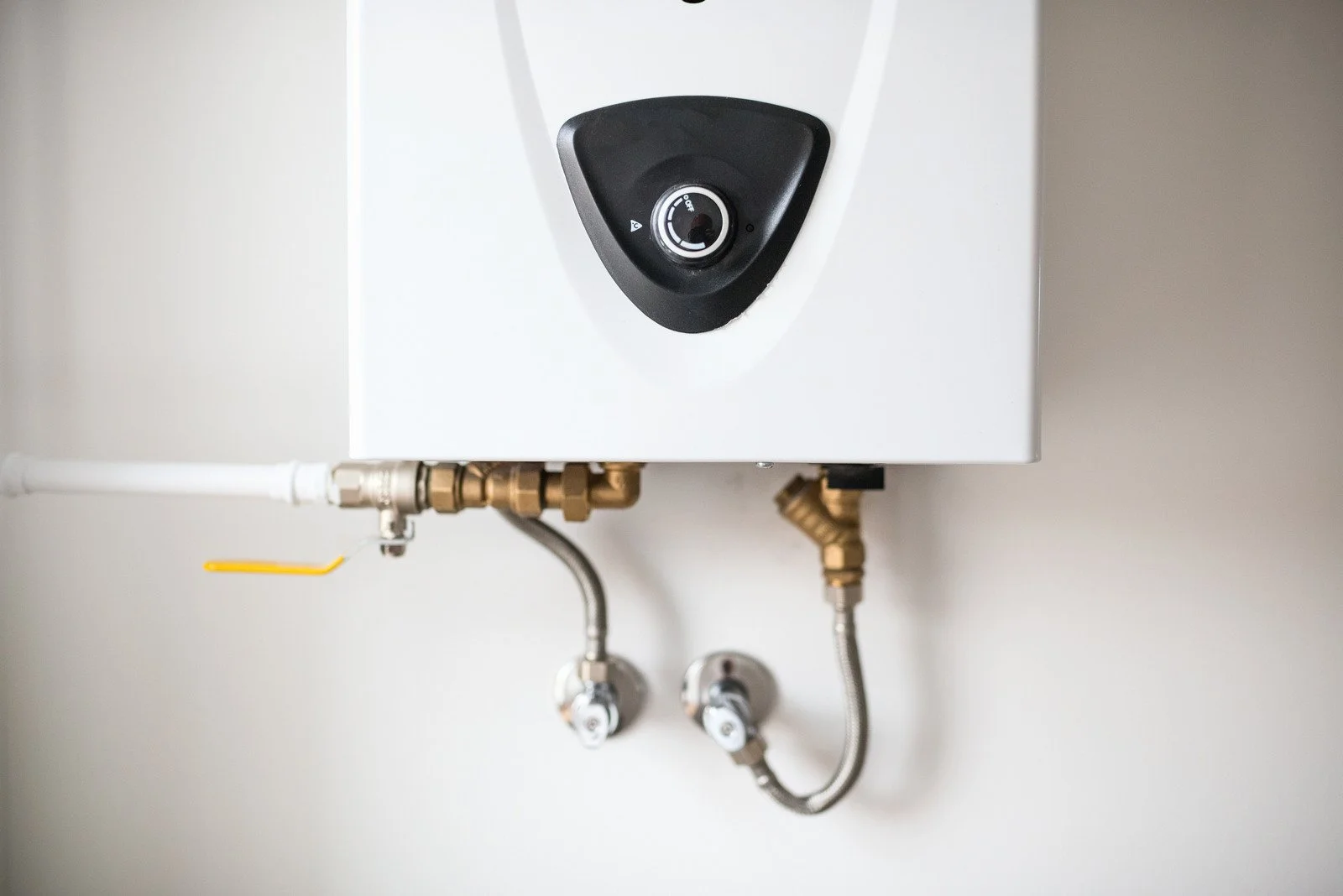
In a hard-water area, a tankless water heater generally needs descaling more often than the once-a-year guideline for average water — sometimes every six months or so, depending on how hard the water is and how much hot water you use. The harder the water and the heavier the use, the faster scale builds inside the heat exchanger, and the more frequent the descaling. A water softener dramatically reduces how often it's needed by removing the minerals before they reach the unit. Skipping descaling lets scale restrict flow, cut efficiency, and shorten the heater's life, so staying on schedule is key to getting the long lifespan a tankless unit promises.
A tankless water heater can last two decades or more — but in a hard-water home, that long life depends heavily on one maintenance task: descaling. How often you need to do it isn't a single number; it depends on your water and your usage. Understanding what drives the schedule helps you protect the investment a tankless unit represents.
Why Descaling Matters for Tankless Units
A tankless heater works by running water through a narrow heat exchanger and heating it on demand. In hard water, dissolved minerals precipitate as scale inside those small passages. Because the channels are tight, even a modest scale buildup has an outsized effect: it restricts water flow, insulates the heat exchanger so it works harder, reduces efficiency, and can eventually shorten the unit's life or cause performance problems. Descaling flushes out that mineral buildup before it accumulates enough to do damage. It's the tankless equivalent of flushing sediment from a tank, and in hard water, it's arguably even more important.
The General Guideline and Why Hard Water Changes It
For average water hardness, descaling a tankless unit about once a year is the common recommendation. That annual rhythm keeps the scale from building to a problematic level for most homes.
Hard water changes the math. Because there are more minerals in the water, scale forms faster, so an annual schedule may not be enough. In hard-water areas, descaling every six months — or on whatever more frequent schedule your water demands — is often warranted to stay ahead of buildup. The harder the water, the shorter the interval should be.
What Determines Your Specific Schedule
There's no single right frequency because several factors determine how quickly scale builds in your unit.
| Factor | Pushes descaling more often | Allows less often |
|---|---|---|
| Water hardness | Very hard water | Softer or softened water |
| Hot water usage | Heavy daily use | Light use |
| Water softener | None installed | Softener in place |
| Manufacturer guidance | Shorter recommended interval | Longer recommended interval |
Very hard water and heavy hot-water use both accelerate scale, calling for more frequent descaling. A water softener pulls strongly in the other direction. And the manufacturer's guidance for your specific unit matters, since models vary. The practical approach is to start with the hard-water assumption of more frequent descaling and adjust based on what you find when you service it.
The Water Softener Factor
The single biggest lever on descaling frequency is whether you treat the water. A water softener removes the minerals before they ever reach the heat exchanger, dramatically slowing scale formation and stretching out the interval between descalings. In a hard-water home, pairing a tankless unit with a softener is one of the best ways to protect it — it reduces both how often you descale and the wear the unit takes between services. Many hard-water tankless installations include a softener or scale-reduction system for exactly this reason.
Watch for performance clues between services. If you notice reduced hot-water flow, the unit struggling to keep temperature, or an error related to scale, the heat exchanger may be building up faster than your current schedule handles. Those signs mean it's time to descale sooner, and possibly to descale more often going forward.
Why Skipping It Costs You
The reason descaling matters so much is that neglecting it directly undermines the main advantage of going tankless: longevity. A scale that's allowed to build restricts flow and efficiency, makes the unit work harder, and can shorten its life or lead to performance failures — eroding the 20-plus-year lifespan a tankless unit is capable of. In hard water, a neglected tankless heater can underperform and wear out far sooner than its potential, which means the up-front investment doesn't pay off the way it should. Staying on a descaling schedule, ideally with a softener, is what lets a tankless unit actually deliver the long, efficient life that makes it worth choosing. Because descaling and assessing scale buildup are best done with the right process, many homeowners have it handled as part of regular service. Treating it as routine, scheduled care rather than a reaction to a problem is the mindset that keeps a tankless unit healthy. By the time poor flow or an error code appears, scale has usually been building for a while, so a steady schedule — tightened to match hard water — heads off those symptoms before they start and keeps the unit running at full efficiency and full flow between scheduled service visits.
Frequently Asked Questions
More often than the once-a-year guideline for average water, frequently around every six months, depending on how hard your water is and how much hot water you use. The harder the water and the heavier the use, the faster scale builds, and the more often descaling is needed. A water softener significantly lengthens the interval.
Because hard water carries more dissolved minerals, which form scale faster inside the tankless unit's narrow heat exchanger. Since the passages are tight, scale builds to a problematic level more quickly than in average water, so descaling has to happen more often to keep flow and efficiency up. The harder the water, the shorter the interval.
Scale builds inside the heat exchanger, restricting water flow, reducing efficiency, making the unit work harder, and potentially shortening its life or causing performance problems and errors. In hard water, neglecting descaling can cause a tankless unit to wear out well short of its potential 20-plus-year lifespan, undermining the main reason to choose tankless.
Yes, significantly. A softener removes the scale-forming minerals before they reach the heat exchanger, dramatically slowing buildup and stretching the interval between descalings. In a hard-water home, pairing a tankless unit with a softener is one of the best ways to protect it and reduce maintenance. Many hard-water tankless installations include one for this reason.
Reduced hot-water flow, the unit struggling to maintain temperature, or a scale-related error code can all indicate buildup in the heat exchanger. If you notice these between scheduled descalings, the scale is forming faster than your current schedule handles, meaning it's time to descale sooner and possibly more often going forward. Performance clues are useful guides between services.
Some homeowners do, but it requires the correct process, solution, and connections, and care to do it safely and thoroughly. Many people have descaling handled as part of regular professional service, which also lets a technician assess the scale buildup and overall condition. If you're unsure, having it done professionally ensures it's done right, especially in demanding hard-water conditions.
Stay Ahead of the Scale
In a hard-water home, descaling a tankless water heater is usually a more-than-yearly task — often every six months or so, driven by your water hardness and usage. A water softener is the most effective way to stretch that interval and protect the unit. Skipping descaling quietly eats away the long lifespan that makes tankless worth choosing, so staying on schedule is how you get the decades of service the unit can deliver.
Want your tankless heater descaled and protected in hard water? — Get it serviced on the right schedule and ask about a softener to cut the scale. Simba Plumbing LLC serves Phoenix and the Valley. ROC 327259. Call (602) 500-2153.
