
Anode Rod or New Water Heater? How to Decide
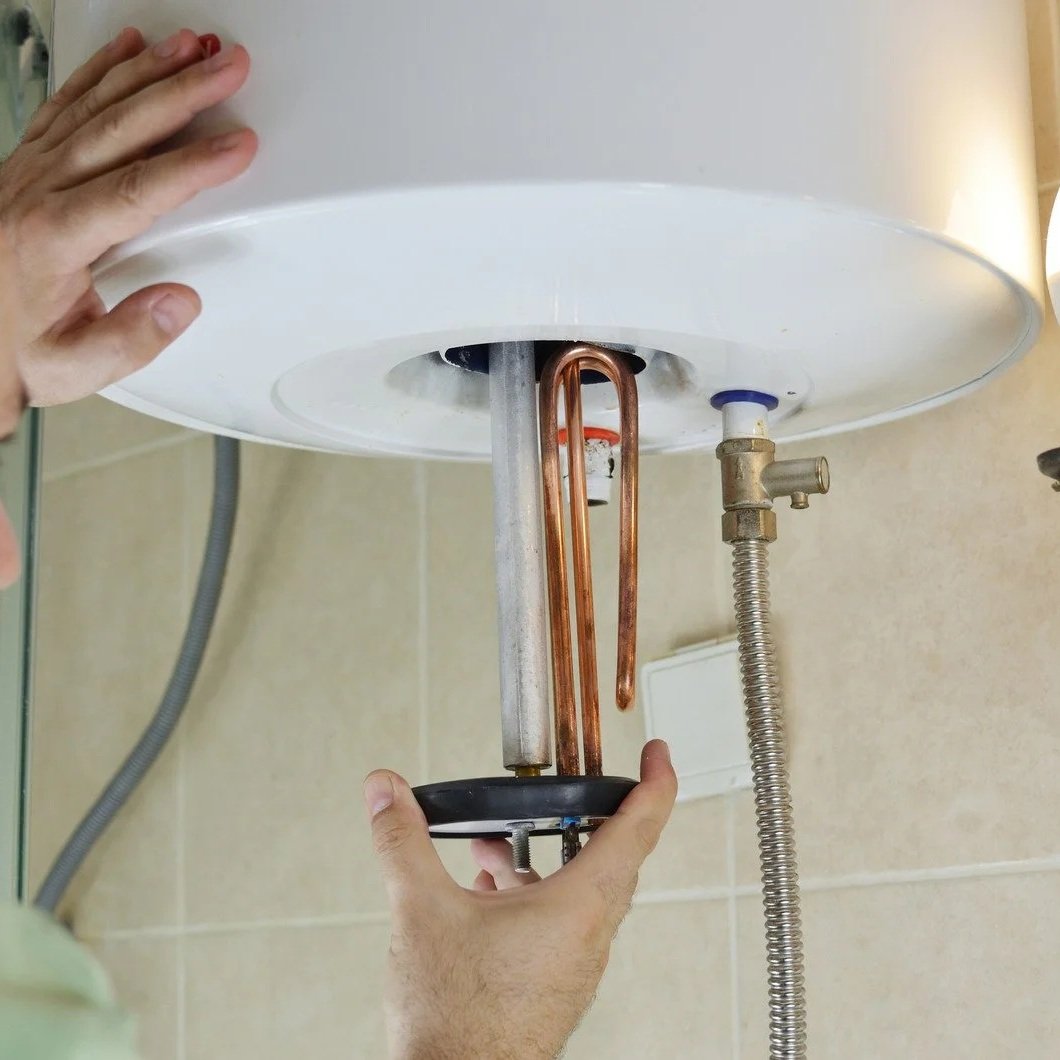
Quick Answer: Replacing the anode rod makes sense when the tank itself is still sound and you're maintaining it — the rod is the sacrificial part that protects the steel from rust, and renewing it before it's used up can extend a healthy tank's life. Full replacement makes sense when the tank is already failing: rusty water, a leaking tank, heavy hardened sediment, or simply old age beyond its expected lifespan. The deciding question is the condition of the tank, not just the rod. A worn-out rod on an otherwise good tank is a cheap fix worth doing; a fresh rod won't save a tank that's already rusting through or leaking.
When a water heater needs attention, one of the more confusing decisions is whether a simple anode rod replacement will extend its life or if the whole unit needs to be replaced. The two are very different in cost and effort, and choosing right comes down to one thing: the condition of the tank itself. Here's how to think it through.
What the Anode Rod Does
The anode rod is a sacrificial metal rod inside the tank that corrodes in place of the steel, protecting the tank from rust. If the rod has material left to give, it draws the corrosion to itself, and the tank stays protected. Once the rod is used up, the tank begins rusting from the inside, which is why so many heaters fail right around the same age the factory rod gets consumed. Replacing the rod before it's gone keeps that protection going and can add years to a tank's life.
That's the case for anode rod replacement: it's a relatively inexpensive part that, swapped at the right time, protects the expensive tank. But it only helps if the tank is still in good enough shape to be worth protecting.
When Replacing the Anode Rod Makes Sense
Renewing the anode rod is the right move when the tank is still fundamentally sound. Good candidates are heaters that are within their expected lifespan, show no signs of internal rust in the water, aren't leaking, and have been reasonably maintained. If you check the rod and find it heavily consumed — down to a thin core or mostly gone — but the tank itself is otherwise healthy, replacing the rod is a smart, cost-effective way to keep the tank from starting to rust. This is preventive maintenance at its best: a small part that extends the life of a much larger investment.
When Full Replacement Is the Answer
A new anode rod can't undo damage that's already happened. If the tank is already failing, replacement of the whole unit is the realistic choice. The signs that point to full replacement include rusty or discolored hot water (the tank is corroding inside), any moisture, rust, or leaking at the base of the tank (a leak only gets worse), heavy, hardened sediment that a flush can't clear, and simply being past the expected lifespan — typically around 8 to 12 years for a tank. A fresh rod on a tank that's already rusting through or leaking is throwing a good part at a lost cause.
| Situation | Likely right call |
|---|---|
| Rod consumed, tank otherwise sound | Replace the anode rod |
| Tank within its lifespan, well maintained | Anode rod, keep maintaining |
| Rusty or discolored hot water | Full replacement |
| Leaking or moisture at the base | Full replacement |
| Heavy hardened sediment, old tank | Full replacement |
| Well past expected lifespan | Full replacement |
The Deciding Question Is the Tank's Condition
The cleanest way to make this call is to ask whether the tank is still sound. The anode rod protects a healthy tank; it can't rescue a compromised one. So the decision isn't really "rod versus new heater" in the abstract — it's "is this tank worth protecting?" If yes, and the rod is spent, replace the rod. If the tank is already showing rust, leaking, or is simply old and tired, the rod is moot, and replacement is the answer. This is why checking the rod and assessing the tank's overall condition go hand in hand: the rod's condition indicates maintenance needs, but the tank's condition makes the final decision.
Don't wait until the tank is leaking to think about the anode rod. The rod is cheap insurance only if it's replaced while the tank is still healthy. Checking it periodically — and replacing it when it's mostly consumed but the tank is sound — is what keeps you in "extend the life" territory rather than "replace the whole thing."
Why Timing Changes the Math
The frustrating reality is that the anode rod decision is most valuable before the tank fails, not after. A rod replaced on a sound, maintained tank can add years; a rod considered only once the water is rusty or the tank is leaking has missed its window. This is why regular maintenance matters: checking the rod every few years (sooner in hard water, where it's consumed faster) keeps the option of a cheap fix open. Let the rod go unchecked until the tank corrodes, and the only remaining choice is replacement. A plumber can check the rod, assess the tank's condition, and tell you honestly which side of the line your heater is on — extend it with a rod, or plan its replacement.
Frequently Asked Questions
It depends on the tank's condition. If the tank is still sound — within its lifespan, no rust in the water, not leaking — and the rod is consumed, replacing the rod is a cost-effective way to extend its life. If the tank is already failing, with rusty water, a leak, or old age, full replacement is the realistic choice, because a new rod can't fix an already-corroding tank.
Only if the tank is still fundamentally healthy. The rod protects sound steel from rust; it can't reverse corrosion that's already happened. On a tank that's within its lifespan and well-maintained but has a spent rod, a new rod can add years. On a tank that's already rusting, leaking, or well past its lifespan, the rod won't save it.
Rusty or discolored hot water, any moisture or rust at the base of the tank, a leaking tank, heavy hardened sediment that a flush can't clear, and being past the typical 8-to-12-year lifespan all point to full replacement. These mean the tank itself is failing, and a new anode rod can't undo that kind of damage.
It has to be inspected — the rod is hidden inside the top of the tank. When checked, a rod that's corroded down to a thin core wire, or is mostly gone, is used up and should be replaced if the tank is still sound. Because the rod is out of sight, it's commonly checked during a flush or maintenance visit rather than noticed on its own.
Largely because the factory anode rod tends to get consumed in a similar window, and once it's gone, the tank starts rusting from the inside and heads toward failure. This is why replacing the rod before it's fully used up can extend a tank's life, and why an unchecked rod often correlates with a tank failing around its expected lifespan.
Yes, and the rod is consumed faster in hard water, so it's worth checking sooner. Because hard water drives more of the corrosion the rod absorbs, staying on top of the rod is one of the more effective ways to protect a tank in hard-water conditions — provided the tank is still sound enough to be worth protecting.
Let the Tank's Condition Make the Call
The anode-rod-versus-replacement decision really comes down to whether the tank is still sound. A spent rod on a healthy, maintained tank is a cheap fix that extends its life; a fresh rod on a tank that's rusting, leaking, or simply old is wasted effort. Check the rod while the tank is still good to keep the inexpensive option open — and when the signs of a failing tank appear, plan the replacement instead.
Not sure whether to replace the anode rod or the whole heater? — Get the tank's condition and rod assessed so you make the right call. Simba Plumbing LLC serves Phoenix and the Valley. ROC 327259. Call (602) 500-2153.
