
Salt-Based vs Salt-Free Softeners: What Hard Water Needs
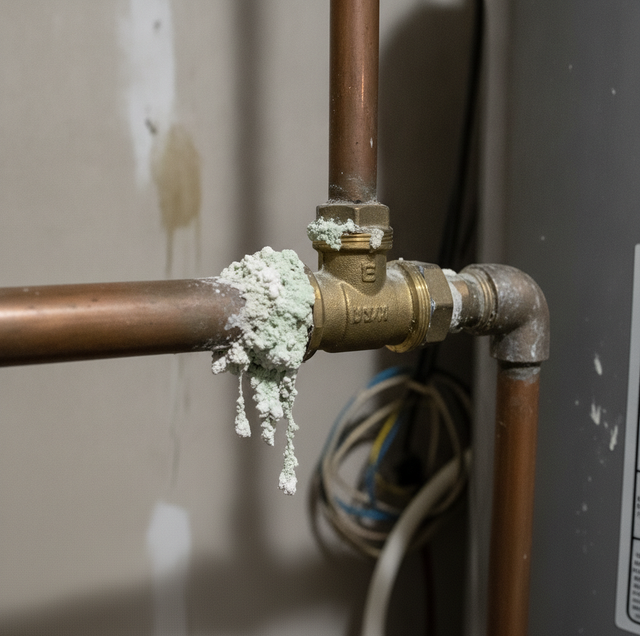
A salt-based softener actually removes calcium and magnesium through ion exchange, so water feels slick, and scale stops forming. A "salt-free softener" removes nothing; it conditions the minerals so they stick less, cutting scale without the slick feel, salt, or wasted water. Very hard water and a preference for true softening point to salt-based; low maintenance and no added sodium point to salt-free.
Two systems sit side by side at the store, and both promise to fix hard water. One needs a bag of salt every few weeks. The other never does. That difference is not a feature comparison; it is a clue that the two machines do completely different jobs. Getting this straight before you buy saves you from a system that does far less than you expected, or one that does more than you needed.
What Hard Water Actually Is
Hard water is water carrying dissolved calcium and magnesium. Those minerals are harmless to drink, but they drop out of solution when water heats up or evaporates, leaving the chalky white crust you see on faucets, glass shower doors, and the inside of your water heater. That crust is scale. Left alone, it narrows pipes, coats heating elements so they work harder, and shortens the life of anything water flows through.
Hardness gets measured in grains per gallon (gpg). Water under about 3 gpg is considered soft; past roughly 7 gpg, it is hard, and higher numbers climb into "very hard." Groundwater in many areas tends to sit well into that upper range because it moves through mineral-rich rock and soil before reaching your tap. That is the number that should drive your decision, and it is the first thing worth measuring, more on how below.
How a Salt-Based Softener Works
A salt-based softener is the traditional appliance, and it is the only one of the two that truly softens water. Inside the tank sits a bed of small plastic resin beads, each carrying a light charge that holds onto sodium ions. When hard water passes through, the calcium and magnesium (which the resin grips more tightly) trade places with the sodium. The hardness minerals stay stuck to the beads, and the water that leaves carries sodium instead. This swap is called ion exchange.
Because the minerals are physically removed, the water changes character. It lathers soap fast, rinses clean without film, and has that faintly slippery feel people describe as "slick." Think of the resin bed like a parking garage that only has room for so many cars: eventually, every space holds a calcium or magnesium ion, and no more can fit. At that point, the system regenerates, it flushes the bed with a strong brine drawn from the salt tank, which forces the trapped hardness off the beads and down the drain, recharging them with fresh sodium. That regeneration cycle is why the unit needs salt refills, uses some water to rinse, and runs on a schedule or a demand meter.
How a Salt-Free System Works
A "salt-free water softener" is the label on the box, but it is a misleading name. These units do not remove calcium and magnesium at all; the hardness minerals are still in the water when it comes out the other side. A more honest term is water conditioner or scale-control system.
Most work by a process the industry calls template-assisted crystallization, or TAC. Water passes over a media that acts as a seed surface, nudging dissolved hardness into forming tiny stable crystals. Manufacturers claim these micro-crystals stay suspended in the water rather than bonding to pipe walls and heater elements, so less new scale forms downstream. It is worth treating that as a manufacturer's performance claim rather than a settled guarantee; results vary with flow rate, temperature, and water chemistry.
What a salt-free system does not do is change how the water feels or lathers. Because the minerals remain, you get no slick feel, no dramatic jump in soap performance, and no help with mineral spotting, unlike a true softener. The trade is squarely on the maintenance side: no salt to buy, no sodium added, and no water sent down the drain to regenerate, because there is nothing to regenerate.
The Honest Comparison
| Factor | Salt-Based Softener | Salt-Free Conditioner |
|---|---|---|
| Removes hardness minerals? | Yes, via ion exchange | No, minerals stay in the water |
| Slick "soft water" feel | Yes | No |
| Scale control | Prevents scale by removing the cause | Aims to reduce the new scale (manufacturer claim) |
| Salt and water use | Needs salt refills; uses water to regenerate | No salt; no regeneration water |
| Sodium added to water | Yes, in exchange for hardness | None |
| Handles iron | Some models manage low iron | No, not built for iron |
| Maintenance | Refill salt; occasional resin/valve service | Media replaced periodically; low routine upkeep |
How to Decide Which One Fits
Start with your hardness number. The higher it runs, the more a salt-based system earns its keep, because only true removal reliably stops the scale that very hard water produces. If a test comes back as moderately hard and your main goal is to protect the water heater and slow buildup, a salt-free conditioner may be enough.
Then ask what you actually want from the water. If soft-feeling water, faster lather, and spot-free glass matter to you, that experience only comes from a salt-based unit. If you are indifferent to feel and simply want less scale with minimal fuss, salt-free covers that lane.
Sodium and diet play a role next. A salt-based softener adds sodium in proportion to the hardness it removes; harder water requires more sodium. For most households, the amount is modest, but anyone on a sodium-restricted diet should factor it in, and there is a workaround covered in the FAQ. People who want to keep the natural mineral taste of their water often lean toward salt-free for the same reason.
Consider your appetite for upkeep and resources. Salt-based means hauling salt, using some water for regeneration, and eventually servicing the valve or resin. Salt-free means none of that beyond occasional media replacement. Finally, check your source. On a private well, iron is a common companion to hardness, and a salt-free conditioner does nothing for iron; it neither removes it nor stops the staining it causes. Well water with iron usually requires a salt-based softener rated for iron or a dedicated iron filter before any conditioning.
What Neither System Does
Neither a softener nor a conditioner is a drinking-water purifier. Softening changes the mineral content but does not target contaminants, and conditioning leaves the minerals in place. If your goal includes cleaner-tasting drinking water or reducing dissolved solids at the tap, that is a separate job for a filter (commonly a reverse-osmosis unit under the sink) running alongside whichever whole-home system you choose. Sizing, placement, and getting the whole setup matched to your water is where a licensed plumber saves you from an expensive mismatch.
Frequently Asked Questions
A conditioner is built to slow the formation of new scale, not to strip out deposits that already coat your pipes and water heater. Some homeowners report that existing buildup gradually loosens over months of conditioned water flowing past it, but treat that as inconsistent rather than a promised feature. If your water heater is already crusted with years of scale, no whole-home system can reverse that instantly; a tank flush is the more direct fix for existing deposits.
No, the sodium added is not sodium chloride (table salt), and the amount is tied to your hardness level, not a fixed dose. The softener swaps hardness for sodium ion-for-ion, so harder incoming water leaves slightly more sodium behind. In practice, most people cannot taste the difference at typical hardness levels. The salt in the brine tank is used only to recharge the resin bed during regeneration and is rinsed to the drain, not delivered to your glass.
Yes, with a swap. Many salt-based systems use potassium chloride instead of sodium chloride, which regenerates the resin in the same way but leaves potassium in the softened water rather than sodium. It typically costs more per bag and can be slightly less efficient at regeneration, so some homeowners size up or adjust settings. The other common path is to soften the whole house for scale protection, but keep a separate unsoftened or filtered tap for drinking and cooking.
Usually, if clean-tasting drinking water is a goal. A softener changes mineral hardness but is not designed to reduce things like chlorine taste, dissolved solids, or other contaminants; a conditioner leaves the minerals in entirely. A point-of-use reverse-osmosis filter under the kitchen sink handles drinking and cooking water and pairs cleanly with either whole-home system. Running RO after a softener also spares the RO membrane from hardness scaling, which extends its life.
Not for the iron. Salt-free TAC systems are built around calcium and magnesium and have no mechanism to remove or neutralize iron, so rust staining on fixtures and laundry continues unchecked. Iron-bearing well water usually needs a salt-based softener specifically rated for iron, or, better yet, a dedicated iron filter placed ahead of the softener, because iron left in the water gradually fouls a softener's resin bed and reduces its capacity, sometimes requiring a special resin cleaner to recover. Order matters: remove the iron first, soften second. A water test that reports iron and manganese, not just hardness, tells you whether this applies and in what sequence to treat it.
The simplest route is a hardness test strip you dip and read against a color chart for an approximate grains-per-gallon figure. For a more precise number (and to account for iron, pH, and total dissolved solids that influence which system fits), a lab-analyzed water sample is worth it, especially for a well. If your home already has any softening or conditioning gear installed, test the raw water upstream of it, not the treated water, so you learn your true incoming hardness rather than the softened result.
Book a water test and get a system matched to your hardness — protect your heater and fixtures without paying for capacity you do not need. Simba Plumbing LLC serves Phoenix and the Valley. ROC 327259. Call (602) 500-2153.
