
Why Your Drain Keeps Clogging in the Same Spot
Quick Answer: A drain that keeps clogging in the same place usually means the original blockage was only partially cleared, or a hidden issue keeps feeding it: grease buildup, a hair-and-soap plug in the trap, a sagging pipe, a venting problem, or tree roots in the main line. A camera inspection and proper mechanical clearing, not chemicals, fix it for good.
A drain that backs up once is annoying. A drain that backs up in the same spot every few weeks is telling you something: the blockage was never fully cleared, or an underlying condition keeps rebuilding it. A true one-off clog stays gone after it is removed. When the same sink, shower, or toilet slows down on a schedule, a quick clear or the bottle of cleaner only bought you a short reprieve, and the real obstruction is still sitting in the line. Breaking the cycle starts with understanding what you are actually fighting, and it is rarely the clog you can see.
How a Drain Actually Works
Every fixture drain relies on two parts most people never think about: the trap and the vent. The trap is the curved section of pipe under a sink (the U-shaped bend) or built into the base of a toilet. It holds a small plug of standing water that seals out sewer gas while still letting waste pass through. Because it is the low point and the tightest turn in the line, the trap is also where debris naturally catches.
The vent is the other half. A vent pipe runs up through the roof and lets air into the drain system behind the flowing water. Without that air, water drops its solids instead of carrying them away. A healthy drain needs a clear trap, a clear branch line, and a working vent. When any one of those is compromised, debris collects in the same predictable spot, and the repeat clogs begin.
Why the Same Spot Keeps Clogging
The location of the recurring clog is your biggest clue. Different fixtures fail for different reasons.
Kitchen sinks: grease is the number one repeat offender: Grease, fat, and cooking oil pour down warm and liquid, then cool and congeal on the pipe walls a foot or two downstream. Each new rinse adds another layer, the way wax builds up inside a candle mold. Coffee grounds, rice, pasta, and other food scraps stick to that greasy coating, and soap scum binds it all into a hard ring that narrows the pipe. You can clear the center, but the greasy collar stays and rebuilds fast, which is why kitchen lines are the most common site of clogs that return within weeks.
Bathroom drains: hair and soap in the trap: Showers, tubs, and bathroom sinks clog with hair and soap scum. Loose hair wraps around the drain crossbars and the inside of the trap, and soap scum (especially with hard water) cements the strands into a dense mat. The plug forms in the trap or just past it, so it reforms in the same place unless the trap is physically cleaned out.
A partial clog someone left behind: This is the quiet cause behind many repeat clogs. A chemical cleaner or a few pushes with a plumber's cup often punch a narrow channel through a blockage without removing it. Water drains again, so the problem looks solved, but most of the obstruction still clings to the pipe wall. Within days or weeks it closes back up, and you are clearing the same drain again. Clearing a channel is not the same as clearing the pipe.
A sagging or bellied pipe: Over time, a section of drain line can settle and dip, usually because the ground or structure beneath it shifted. This low spot is called a belly. Water pools in the sag instead of running through, and every bit of grease, grit, and paper drops out and collects there. You can snake it clean, and it will clog again, because gravity keeps feeding the same dip. A bellied line is a physical defect, not a debris problem, and it needs the pipe re-supported or replaced.
A venting problem: If a drain gurgles, glugs, or drains in slow surges, suspect the vent. A blocked or undersized vent starves the line of air, so waste moves sluggishly and drops solids. Gurgling at one fixture when another drains is a classic sign. The clog keeps returning because the airflow problem was never addressed, only the debris it caused.
Tree roots in the main or sewer line: Roots seek moisture and find their way into tiny joints and cracks in the buried main line, then fan out into a mesh that snags everything flowing past. The tell is location: recurring clogs that affect the whole house or back up at the lowest drain (a floor drain, a downstairs shower, or the first-floor toilet) point to the main line, not a single fixture. Roots grow back, so it recurs until the line is cleared and treated or repaired.
Old, corroded, or scaled pipes: Aging galvanized steel and old cast iron corrode and scale on the inside. The rough, pitted surface catches hair, grease, and paper that would slide through a smooth pipe, so clogs form again and again at the roughest sections. Hard-water scale does the same to any pipe material. The pipe itself has become the problem.
Flushing the wrong things: So-called flushable wipes, paper towels, cotton products, and feminine hygiene products do not break down like toilet paper. They snag on any rough spot, root, or existing buildup and rebuild a clog there over and over. A recurring toilet or main-line clog with no obvious cause is often a wipe problem.
Is It One Fixture or the Whole House
Telling a local clog from a main-line problem changes everything about the fix. Watch for these signals:
- One fixture is slow, the rest are fine. The blockage is local, in that fixture's trap or branch line.
- Several fixtures act up together, or running the washing machine backs up a nearby drain. That points to a shared branch or the main line.
- The lowest drain in the house backs up first, or a floor drain overflows when you flush an upstairs toilet. Water is backing up from the main, and that is the most urgent case.
- Gurgling and bad odors across multiple drains suggest a vent issue or a developing main-line blockage.
A recurring main-line clog is not just inconvenient. If it backs up far enough, it can push sewage into the home through the lowest fixture, which is a biohazard. Do not keep clearing a main-line clog yourself and hoping; get the line inspected.
Fixes That Actually Break the Cycle
The goal is to remove the whole obstruction and address the reason it keeps returning.
Proper mechanical clearing: A drain auger (snake) driven the full length of the line pulls out or breaks up the entire mass, not just a channel through it. For grease-caked kitchen lines, root-filled mains, and heavy scale, hydro jetting uses high-pressure water to scour the pipe walls back to bare pipe, which is what stops fast rebuilds.
Fix the physical cause: A bellied or sagging line needs the low section re-supported or re-laid. A venting fault needs the vent cleared or corrected so air moves freely. No amount of snaking substitutes for repairing the defect underneath.
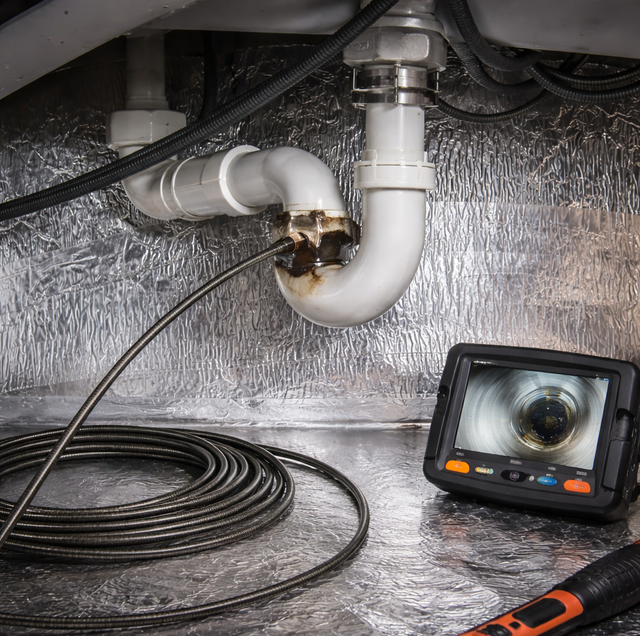
Camera inspection: When a clog keeps coming back, a plumber runs a small waterproof camera down the line to see exactly what is happening: the belly, the root intrusion, the scaled section, the collapsed joint. It is how you stop guessing and treat the actual cause instead of the symptom.
Root treatment: Roots in the main are cut back mechanically, then the line is treated to slow regrowth, and a badly invaded or cracked section is lined or replaced. Root work and bellied-line repair are jobs for a licensed pro with the right equipment, not a rental snake.
Why Chemical Drain Cleaners Make It Worse
Reaching for a bottle feels easy, and it is often the reason the clog keeps coming back. Chemical cleaners rarely dissolve a full blockage; they open a narrow path and leave the rest, so the clog reforms. Worse, the caustic reaction generates heat that can soften plastic pipe, corrode older metal, and degrade seals, which sets up future leaks and rough spots that catch even more debris.
Chemical drain cleaners cause chemical burns and release fumes. If a treated drain does not clear, the caustic water sits in the pipe, and forcing it with a cup afterward can splash that liquid back onto your skin and eyes. Never mix drain products, and never force a drain you have just poured cleaner into. Wear gloves for any drain work. A snake or a jetter removes the blockage without that risk.
Preventing the Next Clog
Once the line is fully clear, keeping it that way is mostly habit.
- Use strainers in every sink, tub, and shower to catch hair and food before it enters the pipe. Empty them into the trash.
- Keep grease out of the kitchen drain. Let it cool and solidify, then scrape it into the trash. Wiping greasy pans with a paper towel before rinsing prevents most kitchen buildup.
- Flush drains with hot water after heavy use to keep the walls clear. A monthly enzyme-based drain treatment digests organic film without harming pipes, unlike caustic cleaners.
- Flush only toilet paper. Everything else, including wipes labeled flushable, goes in the trash.
None of this fixes a belly, a bad vent, or roots. If your drain still clogs on a schedule after you have changed these habits, the cause is structural and needs a camera and a pro.
Frequently Asked Questions
A drain that was fully cleared, not just channeled through, should run freely for a year or more under normal use. If a snaked or jetted line clogs again within a few weeks to a couple of months, that short interval itself is diagnostic: it means either the clearing was incomplete or a structural cause (a belly, roots, or heavy scale) is refeeding the same spot.
Yes. A disposal grinds food finer but does not stop it from settling downstream, and fibrous or starchy waste (celery, potato peels, pasta, coffee grounds) coats the pipe past the disposal and builds up there. Running the disposal with a strong cold-water flow for several seconds after grinding helps carry particles out, since hot water melts grease so it travels further before congealing in the line.
It can. Hard water leaves mineral scale on pipe interiors and reacts with soap to form a sticky scum that grips hair far more readily than soap in soft water. In bathroom lines, this speeds up the hair-and-scum mat, and in any line, the scale roughens the wall so future debris catches more easily. A water softener reduces scale formation over time.
Not usually on its own, but it is a warning worth acting on. Gurgling means air is being pulled through the water seal because the vent is not supplying it normally, which points to a partial vent blockage or an early main-line restriction. If it comes with multiple slow drains or any backup at the lowest fixture, treat it as urgent, because that combination often precedes a full main-line backup.
A snake (auger) is a flexible cable that bores through or hooks out a blockage, which is ideal for a discrete clog like a hair plug. Hydro jetting sends water through a specialized nozzle at high pressure to scour the entire inner wall of the pipe, removing grease coating, scale, and root hairs along the whole run. Jetting is the better choice for grease-caked kitchen lines and root-prone mains because it restores the full pipe diameter rather than just punching an opening.
Coverage varies and is worth checking before you need it. Many standard policies exclude gradual problems like root intrusion or normal pipe deterioration, while some cover sudden backups only if you carry a specific sewer or water-backup rider. Because a main-line backup can spill sewage into living space, many homeowners add that rider after one repeat clog, but confirm the specifics with your own insurer.
Stop fighting the same drain every month — get a camera inspection that finds the real cause and a lasting fix. Simba Plumbing serves Phoenix, Scottsdale, and Mesa. ROC 327259. Call (602) 500-2153.
