

Garbage Disposal Draining Slowly? We Can Help

A garbage disposal that drains slowly often signals a buildup forming deeper in the drain line. Food scraps, grease residue, and soap film gradually restrict water flow, leading to standing water and lingering odors. Slow drainage may appear minor at first, yet underlying blockages usually worsen over time. Our team helps homeowners in Phoenix, AZ, understand what causes sluggish disposal drainage and why early attention matters for overall kitchen plumbing health.
Slow drainage places extra strain on the disposal motor as water and waste linger longer than designed. Internal components work harder to push debris through partially blocked pipes, which can shorten equipment lifespan. Standing water also increases the chance of sink backups during regular kitchen use. Addressing the issue early supports smoother operation and reduces the risk of unexpected plumbing disruptions.
Our approach focuses on identifying where drainage slows and what contributes to the restriction. We look beyond surface symptoms to confirm whether the buildup sits in the disposal, connecting pipes, or further along the drain line. A clear diagnosis enables effective repairs that restore proper flow and help kitchens return to normal daily use without ongoing frustration.
Types of Slow-Draining Garbage Disposal Solutions We Offer in Phoenix, AZ
-
Disposal Chamber Buildup Removal
Food particles, grease, soap residue, and starches can cling to the inside walls of the disposal chamber over time. This buildup narrows the space where water and waste should flow freely, leading to slow drainage after use. We thoroughly clear internal residue so water flows smoothly, odors are reduced, and the disposal can process food without leaving standing water behind.
-
Drain Line Clearing Below the Disposal
Slow drainage often originates in the short pipe section connecting the disposal to the rest of the drain system. Small food fragments and grease can accumulate here, restricting water flow. We remove compacted debris from this line, restoring normal drainage speed and reducing the chance of water backing up into the sink during everyday kitchen use.
-
P-Trap Cleaning and Adjustment
The curved pipe under the sink, known as the P-trap, is designed to hold water but frequently traps food waste and sludge. When buildup accumulates, drainage slows noticeably. We clean the trap thoroughly and confirm proper alignment so water drains efficiently while still blocking sewer odors from entering the home.
-
Disposal Blade and Interior Inspection
Grinding components inside the disposal help break food into small pieces that can pass through plumbing lines. When blades are obstructed or worn, food breaks down unevenly, and water drains slowly. We inspect interior components, remove lodged debris, and verify proper movement so waste clears efficiently and drainage speed improves.
-
Sink and Disposal Venting Assessment
Proper airflow within the plumbing system helps water move smoothly through drain lines. Venting issues can cause slow drainage, gurgling sounds, or lingering water in the sink. We assess venting conditions at the disposal and sink to identify airflow restrictions that may contribute to recurring slow-drain problems.

Areas we serve
Phoenix, Sun City West, Mesa, Chandler, Gilbert, Glendale, Scottsdale, Peoria, Tempe, Surprise, Goodyear, Avondale, Queen Creek, El Mirage, Fountain Hills, Paradise Valley, Tolleson, Youngtown, Litchfield Park, Cave Creek, Carefree, Sun Lakes, and Waddell
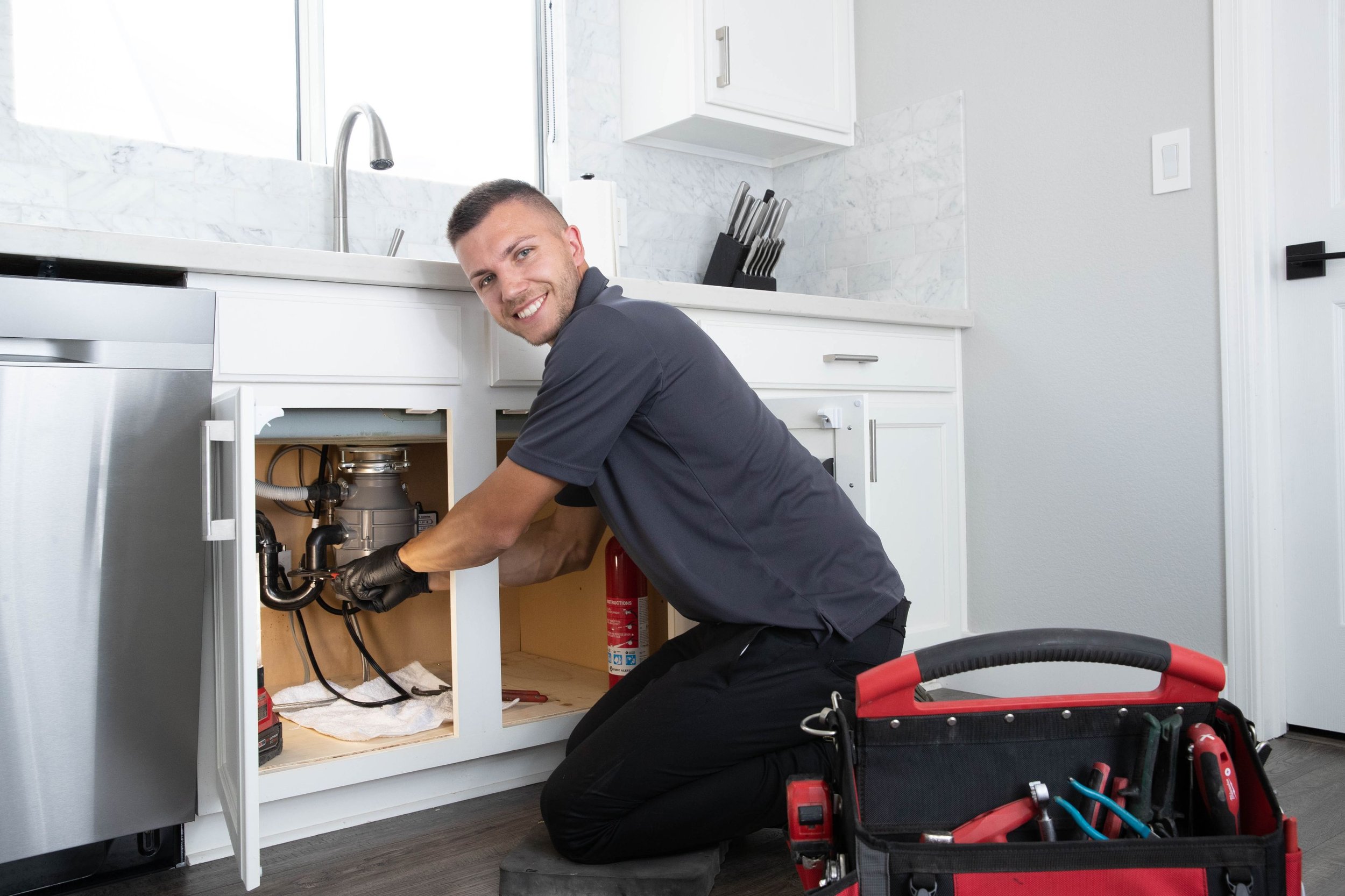
How to Identify if Your Garbage Disposal is Draining Slowly in Phoenix, AZ
-
Water that pools in the sink after running the disposal often signals restricted flow below the unit. Food waste and grease slow movement through the drain, causing visible delays. Lingering water matters because standing moisture increases odor buildup, increases the risk of overflow, and indicates blockages that often worsen without professional attention.
-
Gurgling noises often appear when air struggles to move past trapped debris in the disposal or drain line. The sound usually happens while water drains slowly or after the disposal shuts off. Gurgling matters because it suggests a pressure imbalance in the plumbing system that can lead to backups or strain on connected pipes.
-
Water draining slowly, even when the disposal stays off, often points to buildup beyond the grinding chamber. Residue in the drain pipe restricts flow regardless of the disposal use. This sign matters because it indicates a developing blockage that can affect the sink line and potentially spread to nearby plumbing connections.
-
Bits of food rising back into the sink during drainage signal that waste cannot move forward through the pipe. The disposal may grind food, but restricted pathways force debris backward. This matters because recurring backflow can lead to unsanitary conditions and increase the likelihood of full sink backups.
-
Lingering smells often develop when trapped food waste sits in slow-moving water inside the disposal or drain line. Rinsing may temporarily mask odors without resolving the cause. Persistent smells matter because they indicate organic buildup that continues to restrict drainage and can attract bacteria over time.
OUR REVIEWS
Our goal is to provide the best service and customer experience.
The Benefits of Getting Your Slow-Draining Garbage Disposal Fixed in Phoenix, AZ
-
Restored Water Flow Reduces Daily Frustration
Professional repair clears built-up food residue and grease that restricts water movement through the disposal and drain line. Improved flow allows sinks to empty at a normal pace again. Reliable drainage matters because it prevents standing water, reduces sink backups during meal prep, and restores everyday kitchen use without constant monitoring or repeated rinsing.
-
Reduced Strain Protects Internal Disposal Components
Slow drainage forces the disposal motor to work harder as water and debris struggle to exit. Removing blockages lowers resistance inside the system. Reduced strain matters because it helps protect internal moving parts from overheating or early wear, supporting longer service life and more consistent performance during regular kitchen use.
-
Cleaner Drain Paths Help Prevent Odors and Bacteria
Clearing slow drains removes organic buildup that traps moisture inside the disposal and connecting pipes. Improved movement limits the environment where odors and bacteria thrive. Cleaner drain paths matter because they keep kitchens smelling fresher, reduce sanitation concerns, and minimize recurring odor issues that surface even after basic rinsing.
-
Early Repairs Help Avoid Larger Plumbing Disruptions
Addressing slow drainage early prevents debris from hardening deeper in the plumbing system. Timely repair stops small restrictions from becoming full sink backups or pipe clogs. Preventive attention matters because it protects surrounding plumbing lines, avoids unexpected downtime, and supports dependable kitchen operation over the long term.
FAQs – Slow-Draining Garbage Disposal Repair in Phoenix, AZ
Slow drainage often develops when food residue, grease, or soap buildup narrows the drain path. Professional service restores reliable flow and helps prevent repeated backups with an affordable, long-term solution.
Restricted drainage increases the risk of water backing up into the sink during normal use. A quick inspection identifies the blockage source and keeps kitchen plumbing functioning smoothly.
Hard water and frequent disposal use contribute to buildup in Phoenix, AZ, plumbing systems. Reliable cleaning methods address local conditions and reduce recurring drainage issues.
Not always, though ongoing resistance can strain internal components. Early, affordable repair helps protect the motor and extend the disposal’s usable life.
Fibrous foods, starches, and grease commonly slow water flow over time. Reliable clearing removes trapped debris and restores normal drainage performance.
Many drainage issues respond to quick service when addressed early. Timely clearing prevents deeper blockages from forming inside connected drain lines.
Standing water and trapped food particles encourage odor development. Professional cleaning improves flow and helps keep the kitchen environment fresh.
Chemical products may damage seals and pipes without fixing the buildup. Affordable professional care removes blockages safely and avoids unnecessary plumbing risks.
Yes, early repair often restores function without replacement. Reliable service evaluates the system and recommends only what the situation truly requires.
Local plumbing professionals experienced with Phoenix, AZ, systems provide quick assessments and dependable repairs tailored to regional plumbing conditions.
When slow-draining garbage disposal issues disrupt kitchen routines in Phoenix, AZ, professional help makes a difference.
Contact Simba Plumbing for dependable service focused on restoring proper flow, protecting plumbing systems, and delivering practical solutions designed for everyday household use.